 11
11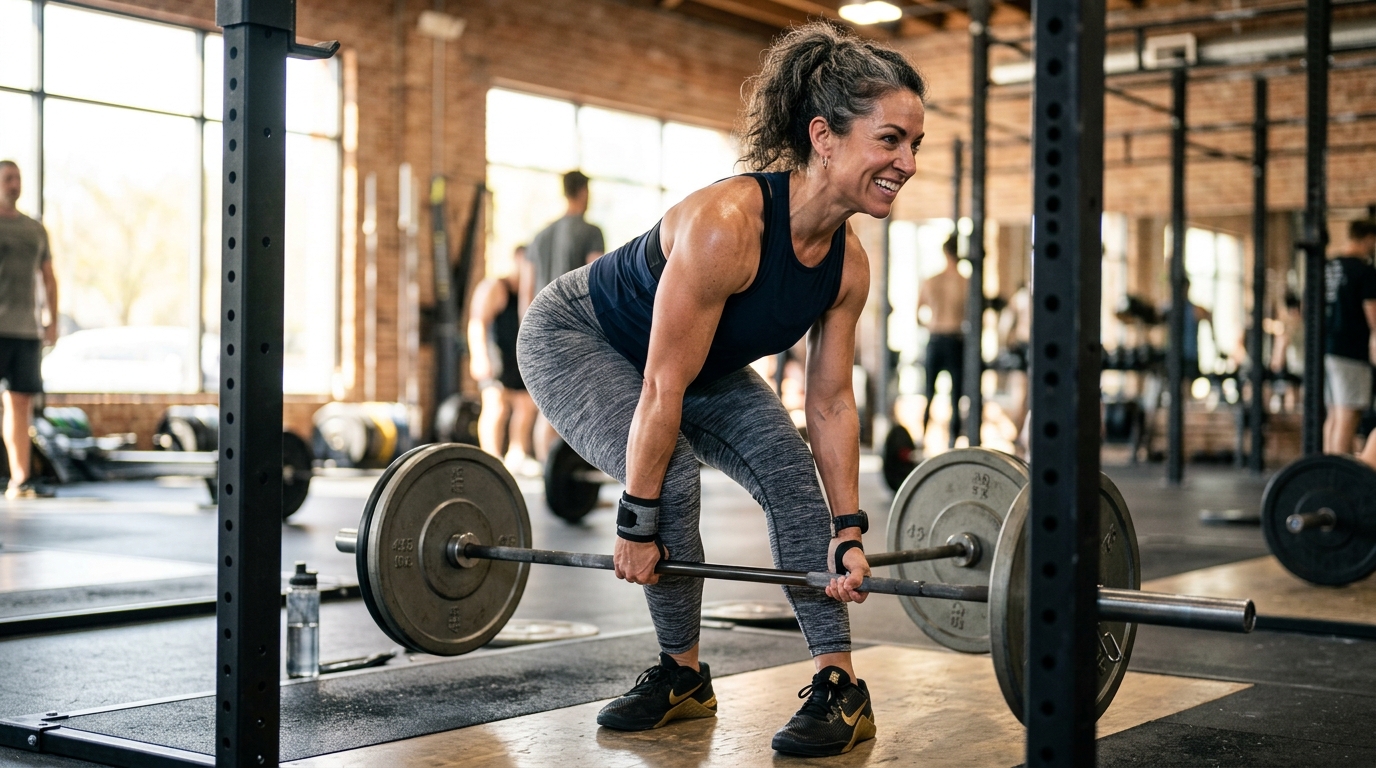
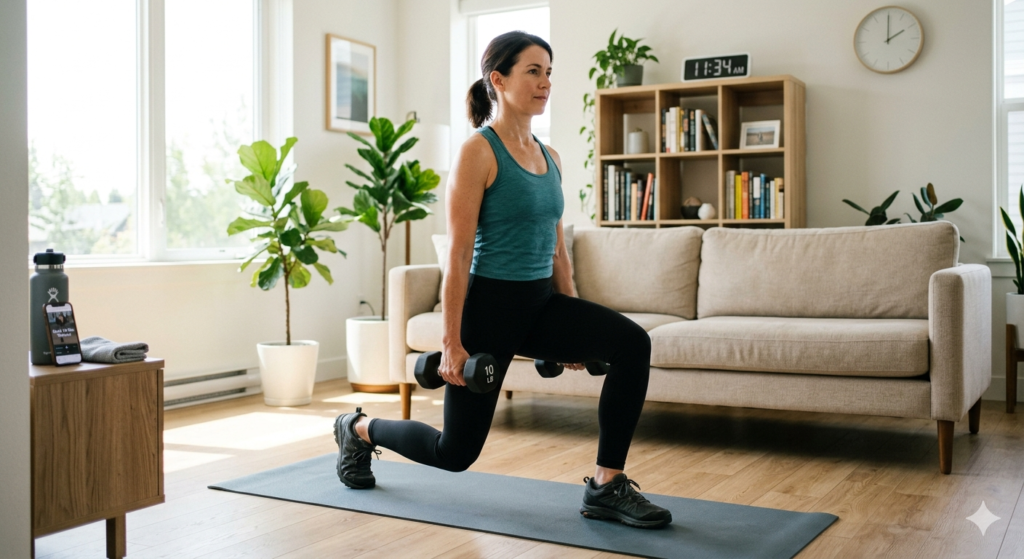
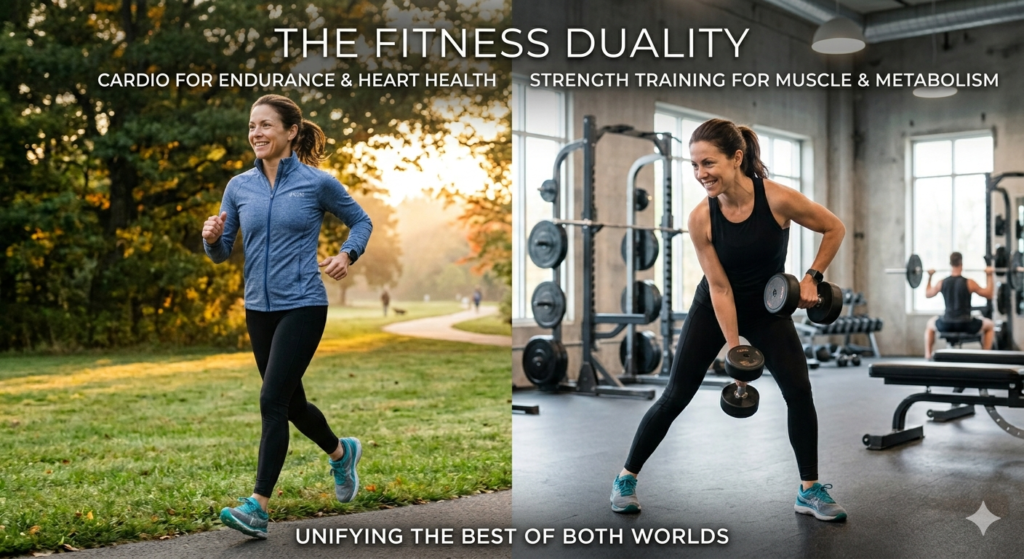
When it comes to fitness, many women over 40 automatically turn to cardio—walking, jogging, cycling, or aerobics—as their primary form of exercise. While cardio certainly has its place, it’s no longer the most effective option for maintaining health, strength, and body composition after 40.
In fact, strength training has emerged as the most powerful and essential form of exercise for women over 40. From boosting metabolism to protecting bone health, it offers benefits that cardio alone simply cannot match.
In this article, we’ll break down exactly why strength training outperforms cardio, how it supports your body during aging, and how to get started.
As women age, several biological changes begin to take place that directly impact fitness and health:
After age 30, women start losing muscle mass—a condition known as sarcopenia. By the time you reach your 40s, this process speeds up, leading to decreased strength and slower metabolism.
Estrogen levels begin to decline, especially approaching menopause. This can lead to:
Women are at higher risk of osteoporosis, making bone-strengthening activities more important than ever.
Your body burns fewer calories at rest, making weight management more challenging.
These changes demand a smarter approach to fitness—and that’s where strength training comes in.
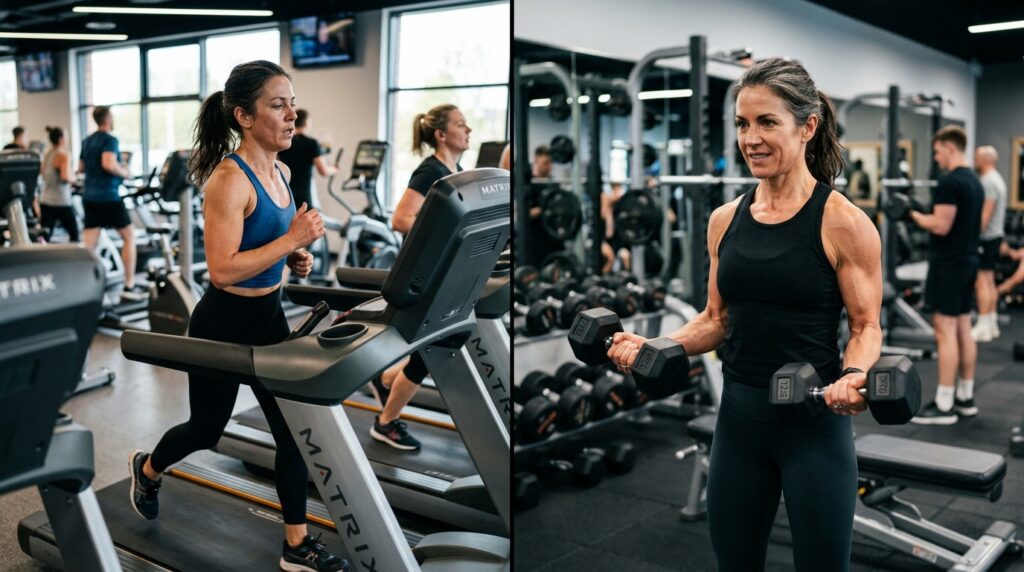
Cardio exercises like running or cycling are great for heart health, but they have limitations:
Cardio does not significantly build muscle. Without muscle, your metabolism slows down.
Cardio burns calories during the workout—but once you stop, the calorie burn drops quickly.
Excessive cardio, especially without resistance training, can actually lead to muscle breakdown.
If your goal is to tone your body and reduce fat, cardio alone may not deliver noticeable results.
Strength training directly combats age-related muscle loss. Maintaining muscle is critical for:
Even small increases in muscle can make a huge difference in how your body looks and feels.
Muscle is metabolically active, meaning it burns calories even at rest. The more muscle you have:
Unlike cardio, strength training creates an afterburn effect, where your body continues burning calories even after the workout.
Resistance training puts stress on bones in a healthy way, stimulating them to become stronger and denser.
This is especially important for women over 40, as bone density naturally declines with age.
Strength training helps you:
The number on the scale may not change dramatically, but your body shape and firmness will.
Regular strength training can help regulate hormones, improving:
It also helps reduce belly fat associated with hormonal changes.
Lifting weights is empowering. It builds:
It also reduces stress and symptoms of anxiety and depression.
Strength training strengthens stabilizing muscles, which:
This is crucial for maintaining independence later in life.
| Factor | Strength Training | Cardio |
|---|---|---|
| Muscle Building | ✅ High | ❌ Low |
| Fat Loss | ✅ Highly effective | ⚠️ Moderate |
| Metabolism Boost | ✅ Long-lasting | ❌ Temporary |
| Bone Health | ✅ Improves density | ❌ Minimal impact |
| Aging Benefits | ✅ Excellent | ⚠️ Limited |
Not at all.
Cardio is still important for:
However, it should complement strength training—not replace it.
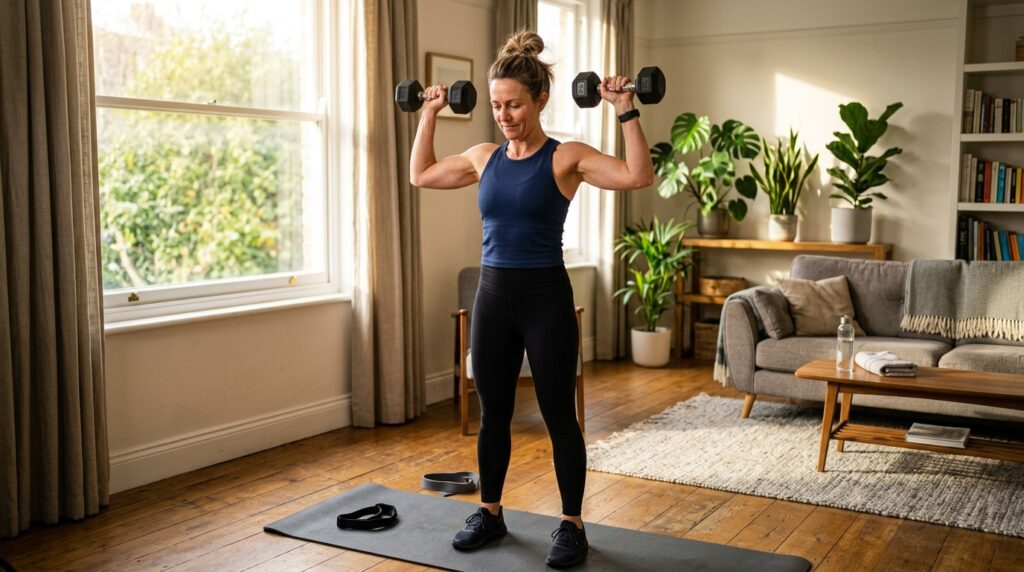
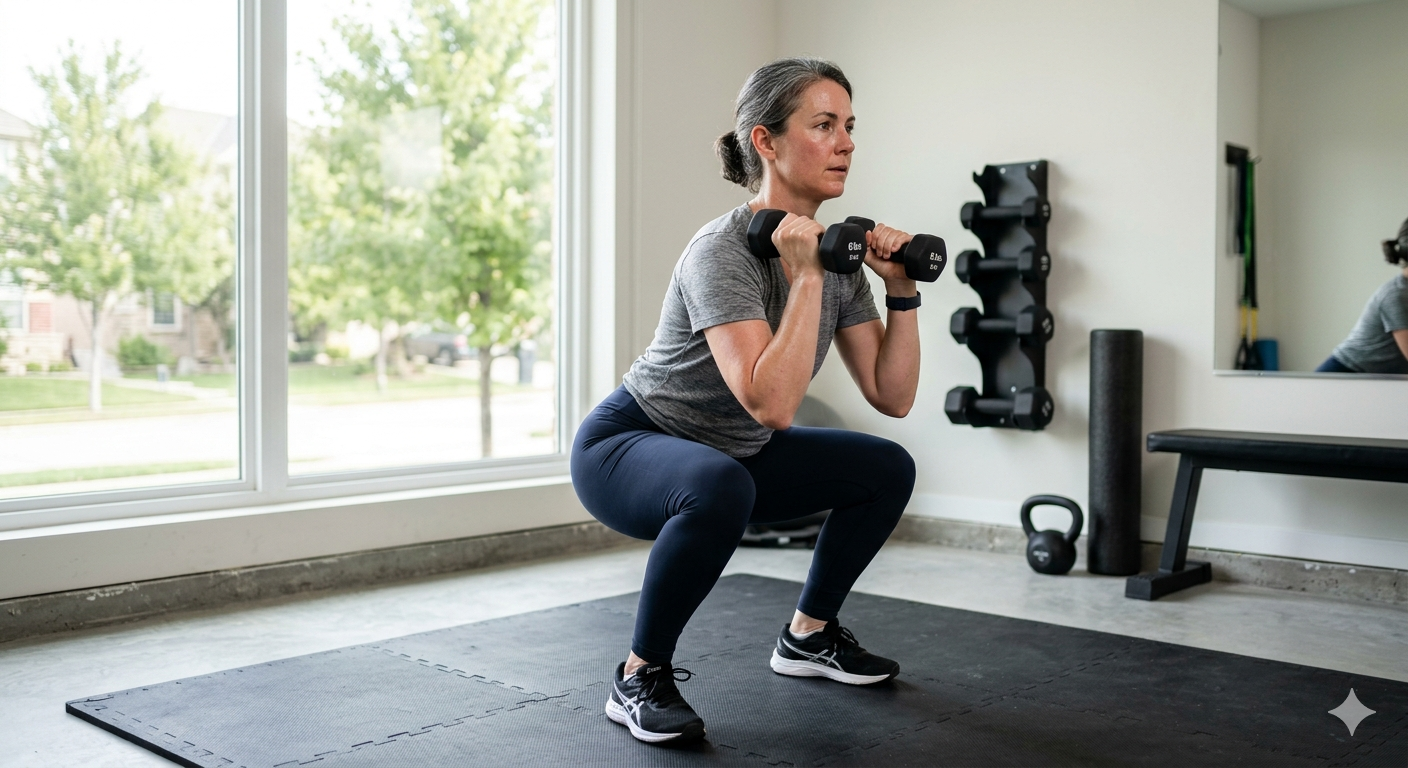
Focus on compound movements that target multiple muscle groups:
These exercises improve strength, coordination, and functional fitness.
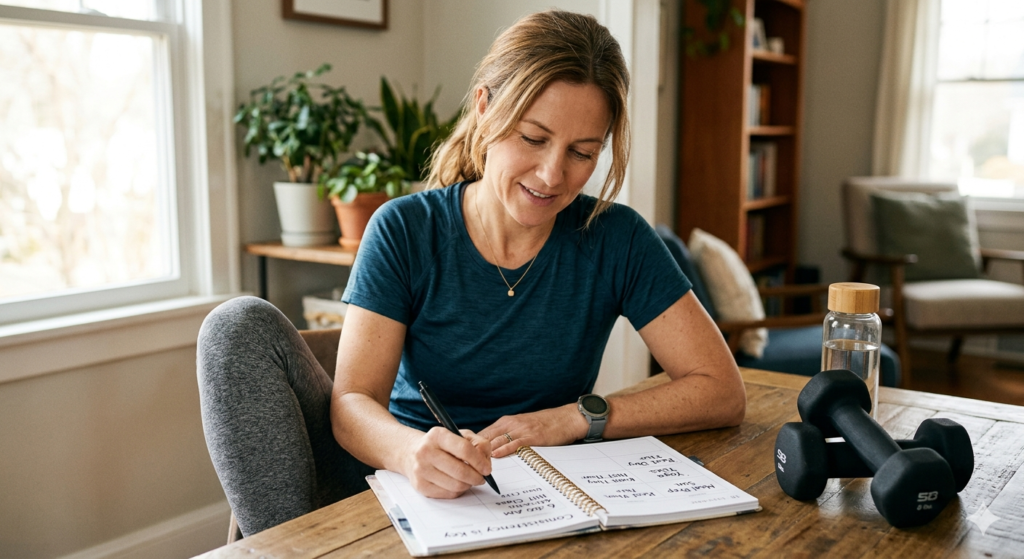
Day 1 – Full Body Strength
Day 2 – Light Cardio
Day 3 – Rest
Day 4 – Strength Training
Day 5 – Light Cardio
Day 6 – Optional Strength or Yoga
Day 7 – Rest
Women don’t have enough testosterone to bulk up easily. Strength training creates a toned, lean look.
Strength training is actually more effective for long-term fat loss.
It’s never too late. Women in their 40s, 50s, and even 60s can build strength and improve health.
If you’re a woman over 40 and still relying only on cardio, it may be time to rethink your fitness routine.
Strength training isn’t just an option—it’s a necessity.
It helps you build muscle, boost metabolism, protect your bones, and maintain a strong, confident body as you age. Cardio supports your health, but strength training transforms it.
The best time to start was years ago. The second-best time is today.
Yes, as long as you start gradually and use proper form.
Most women notice improvements in strength and energy within 3–4 weeks.
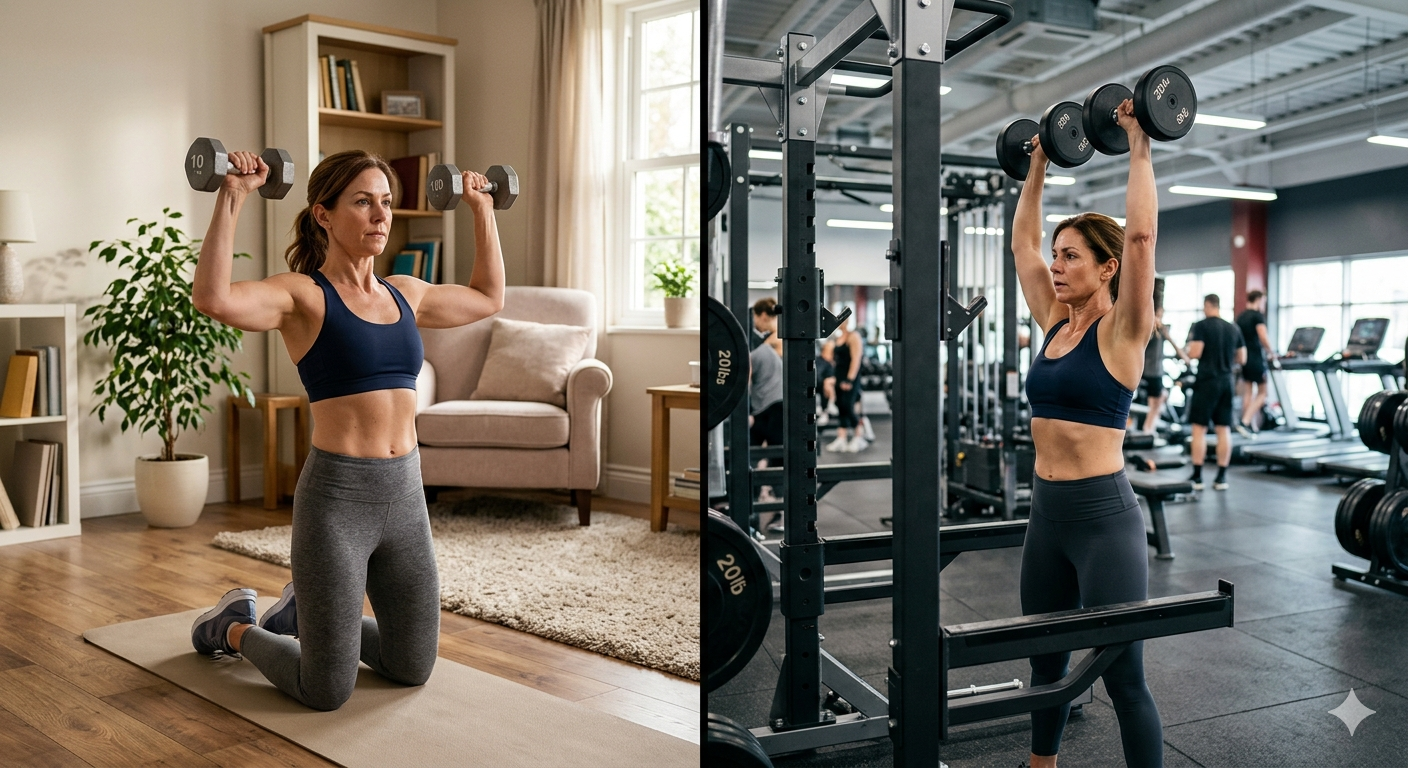
Absolutely. Dumbbells, resistance bands, or bodyweight exercises are enough to get started.