 11
11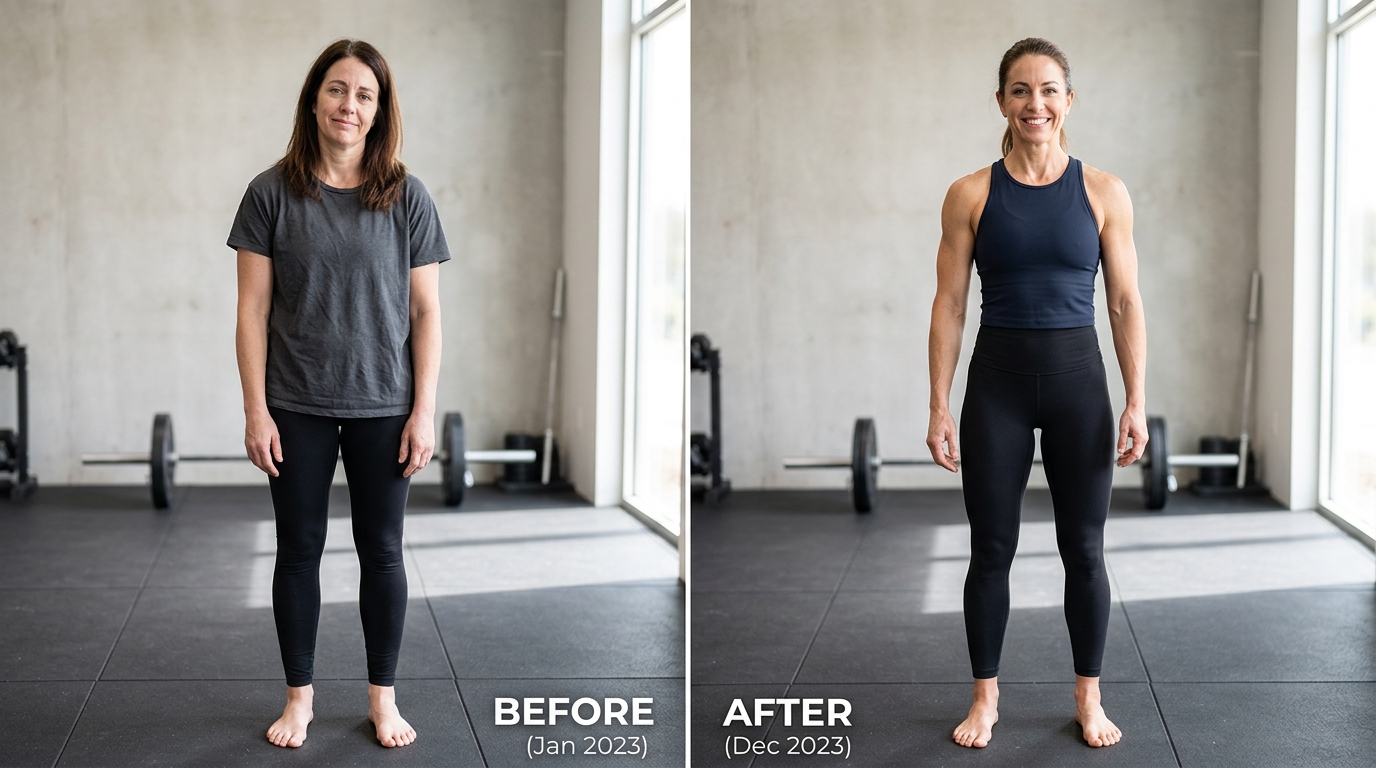
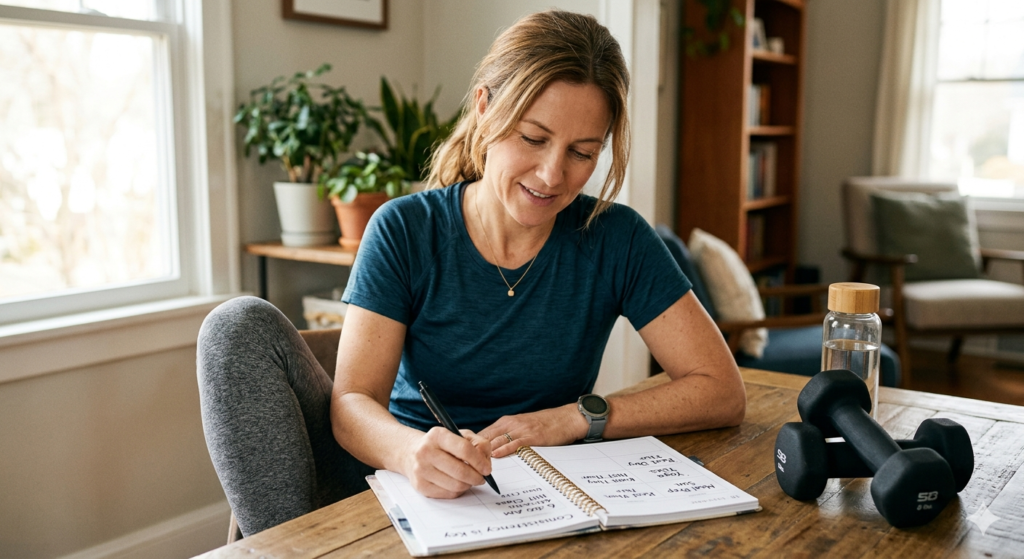
Strength training is one of the most powerful tools women over 40 can use to stay strong, healthy, and confident. Yet, many women either avoid it or feel unsure about where to start. The truth is, strength training isn’t just about building muscle—it’s about preserving your health, boosting energy, and improving your quality of life as you age.
This complete guide will walk you through everything you need to know, from benefits to workout plans, safety tips, and common mistakes.
As women age, the body naturally undergoes changes that can impact strength, metabolism, and bone health.
After 30, you begin to lose muscle mass gradually. By 40 and beyond, this loss accelerates, making strength training essential to maintain lean muscle.
Less muscle means fewer calories burned at rest. Strength training helps boost metabolism and makes weight management easier.
Women are at higher risk of osteoporosis after menopause. Resistance training strengthens bones and reduces fracture risk.
Declining estrogen levels can lead to fat gain, especially around the abdomen. Strength training helps balance body composition.
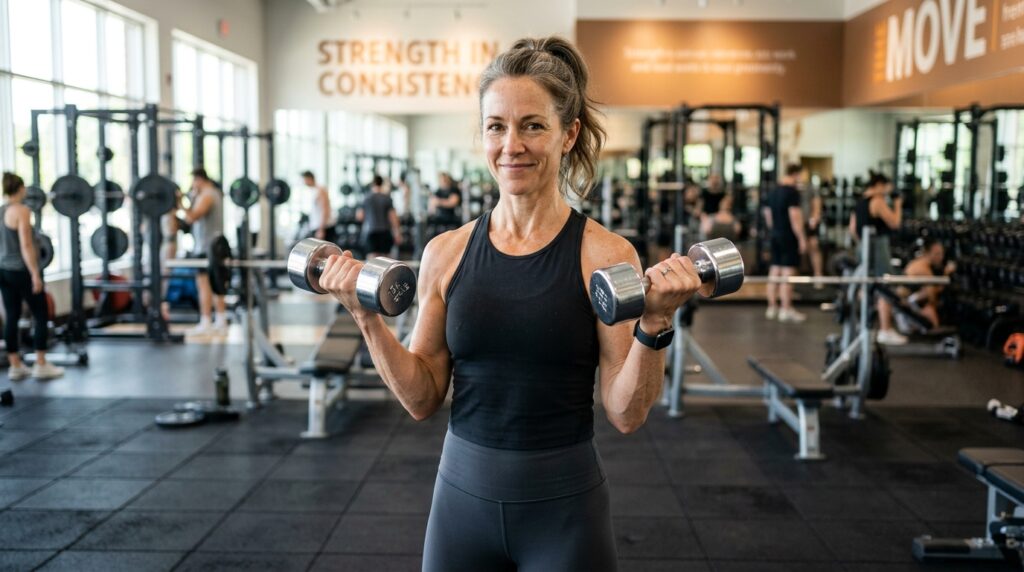
Strength training helps maintain and build muscle, keeping your body toned and functional.
More muscle equals a higher resting metabolic rate, helping burn fat more efficiently.
Weight-bearing exercises increase bone density and reduce osteoporosis risk.
Resistance training can improve blood pressure, cholesterol, and overall cardiovascular health.
Exercise reduces stress, anxiety, and symptoms of depression while boosting confidence.
Helps prevent falls and injuries by strengthening stabilizing muscles.
Absolutely not.
In fact, many women achieve their best strength and fitness levels in their 40s and beyond. Your body is still capable of building muscle, gaining strength, and improving endurance—it just requires consistency and smart training.
Before starting any new exercise program, especially if you have medical conditions, consult a doctor or fitness expert.
You don’t need to lift heavy weights immediately. Begin with light resistance and focus on proper form.
Aim to train all major muscle groups:
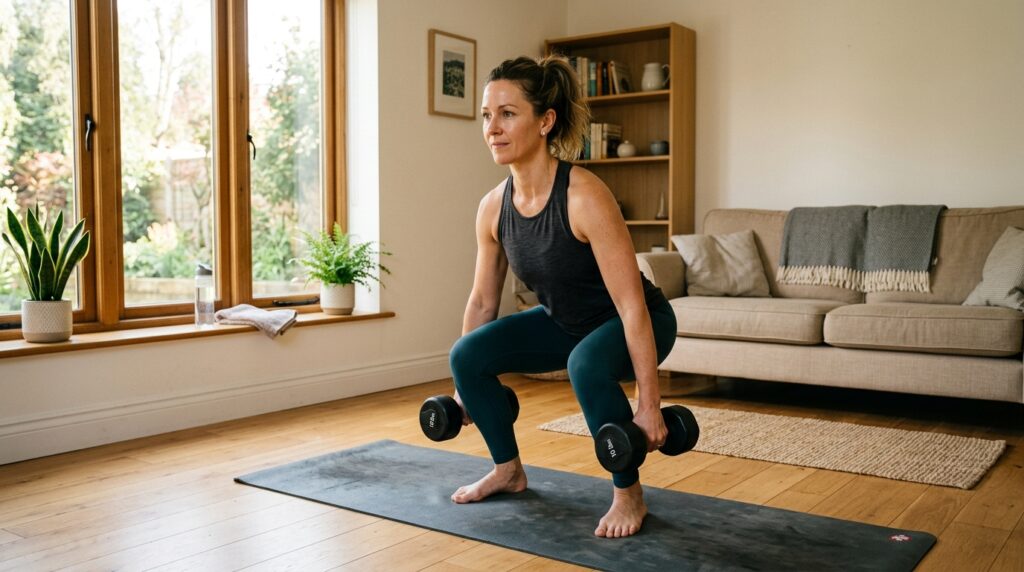
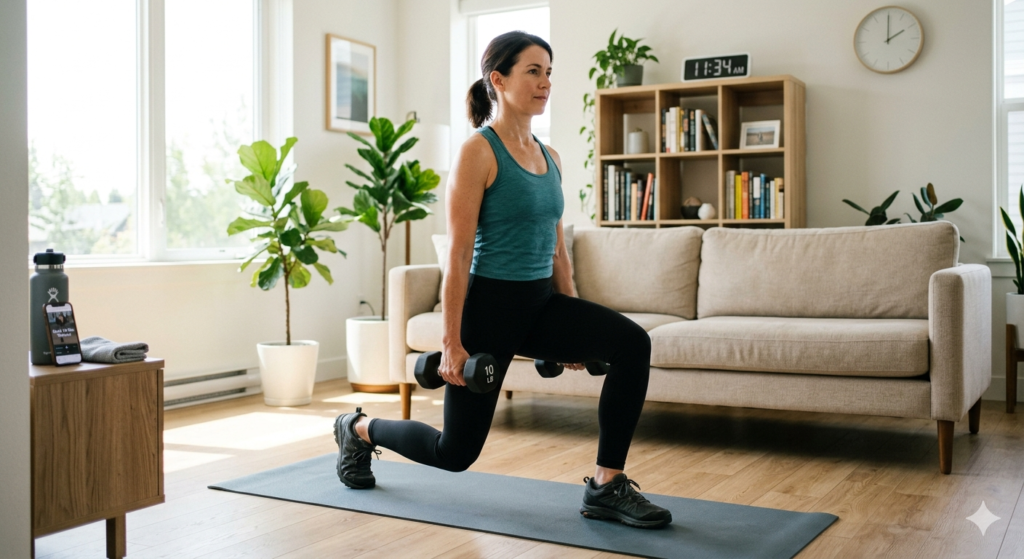
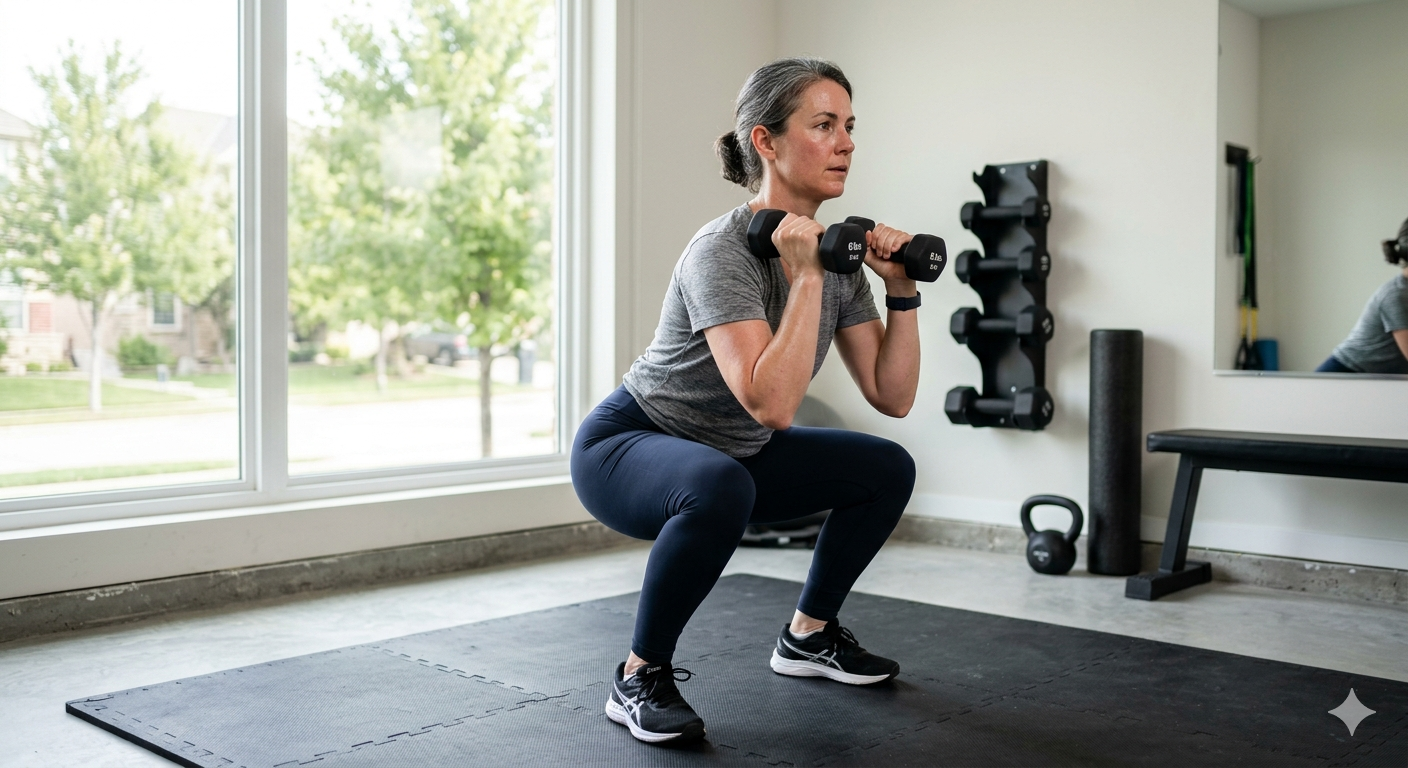
Here are some foundational exercises that are safe and effective:
These mimic everyday activities and improve overall strength:
Day 1: Full Body
Day 2: Rest or Light Activity
Day 3: Full Body
Day 4: Rest
Day 5: Repeat Day 1
Choose a weight that:
A good rule: If you can easily do more than 15 reps, increase the weight slightly.
To see results, you need progressive overload—gradually increasing difficulty.
Ways to progress:
Consistency matters more than intensity at the beginning.
Protein helps repair and build muscle. Aim for:
Water supports muscle function and recovery.
Healthy fats support hormone balance:
Undereating can slow progress and lead to fatigue.
Cardio is important, but strength training is essential for long-term health.
You need enough resistance to challenge your muscles.
Bad technique can lead to injuries. Focus on quality over quantity.
Results come from regular effort, not occasional workouts.
Rest days are just as important as workout days.
Aim for 7–8 hours per night for optimal recovery.
Improves flexibility and reduces stiffness.
Strength training can significantly ease menopause symptoms by:
It’s one of the most effective ways to manage hormonal changes naturally.
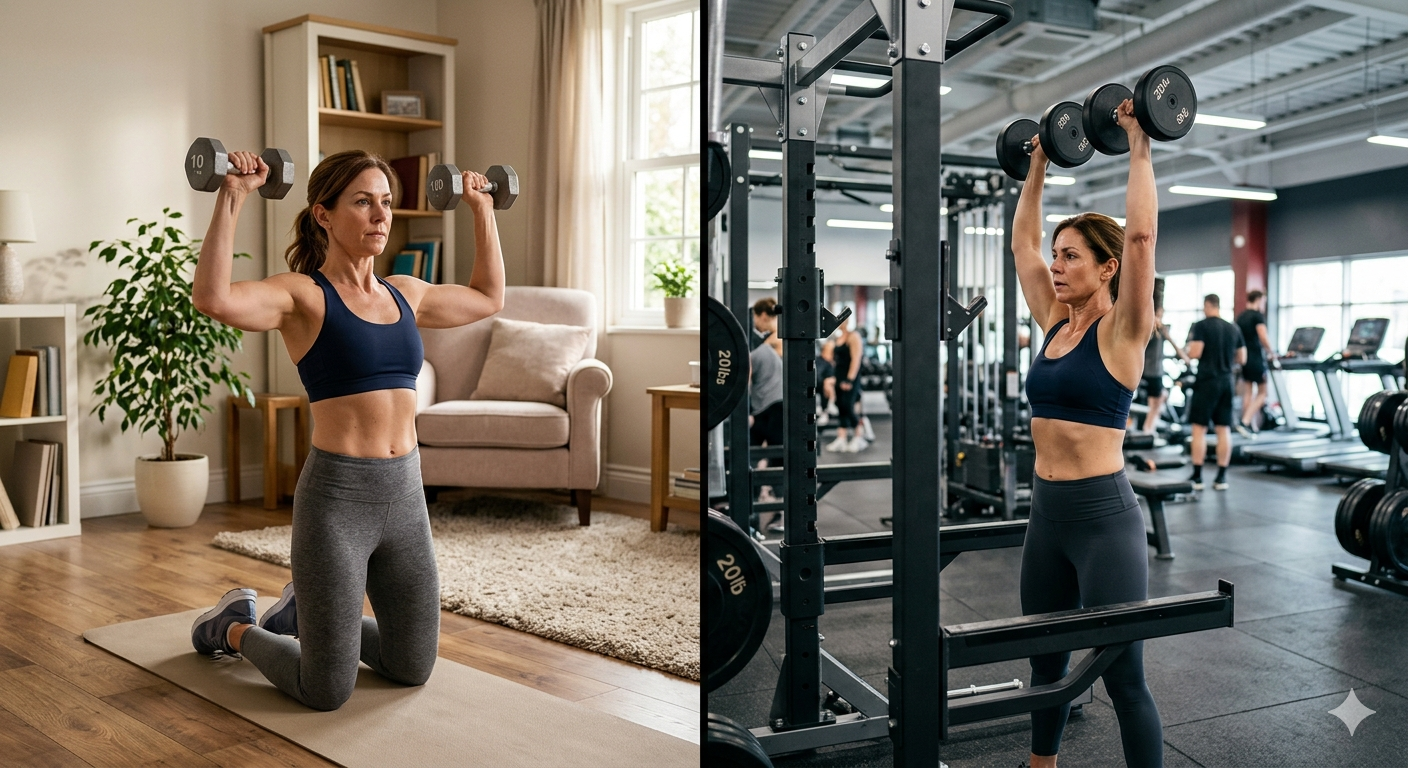
Both are effective—the best choice is the one you’ll stick with.
Remember, progress may feel slow at first, but consistency pays off.
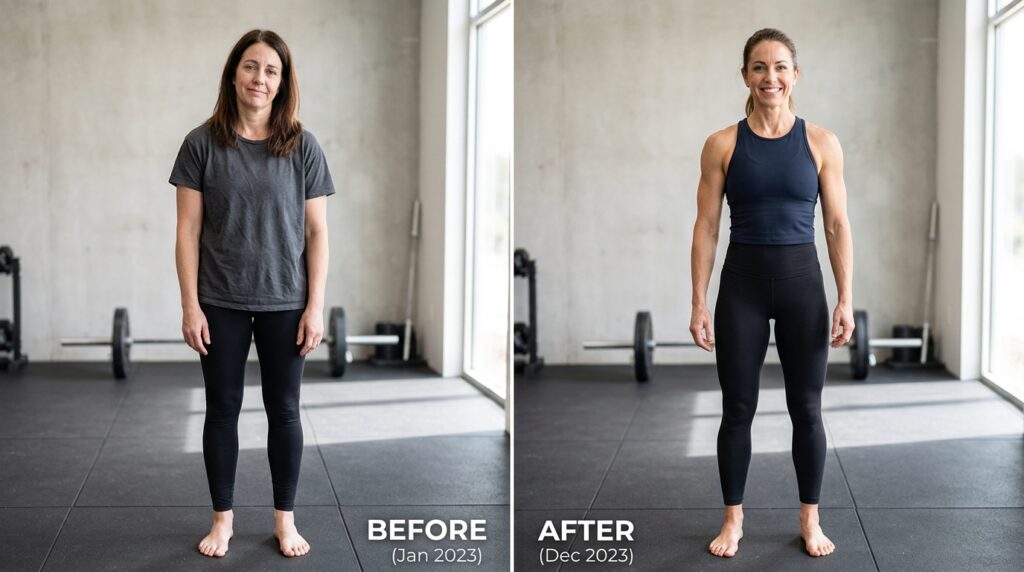
Strength training after 40 isn’t just about looking good—it’s about feeling strong, staying independent, and improving your overall health.
Your body is capable of incredible change at any age. By starting today and staying consistent, you can build strength, confidence, and resilience that will benefit you for years to come.
2–4 times per week is ideal for most beginners.
Yes. It boosts metabolism and helps burn fat more effectively.
Yes, when done with proper form and gradual progression.