Popular Posts

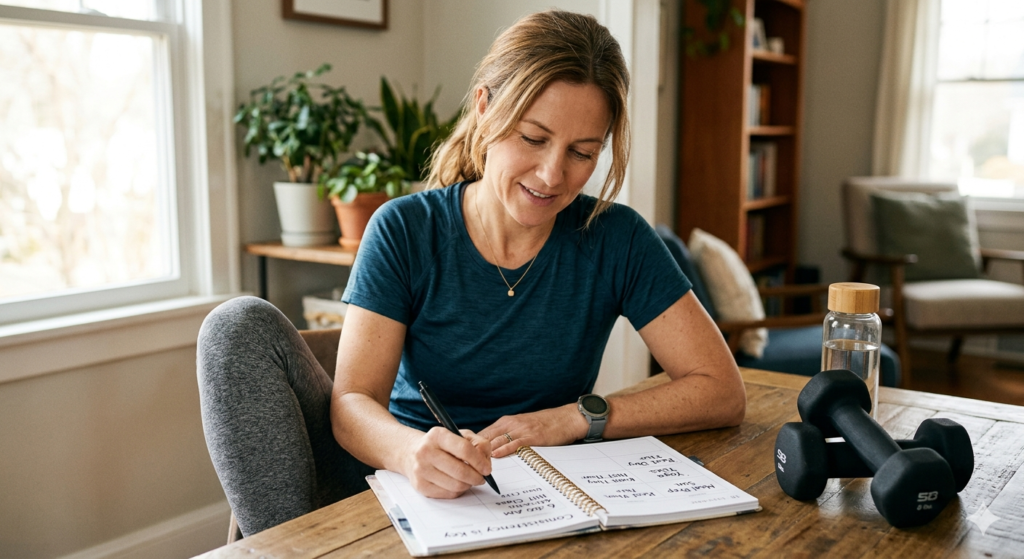
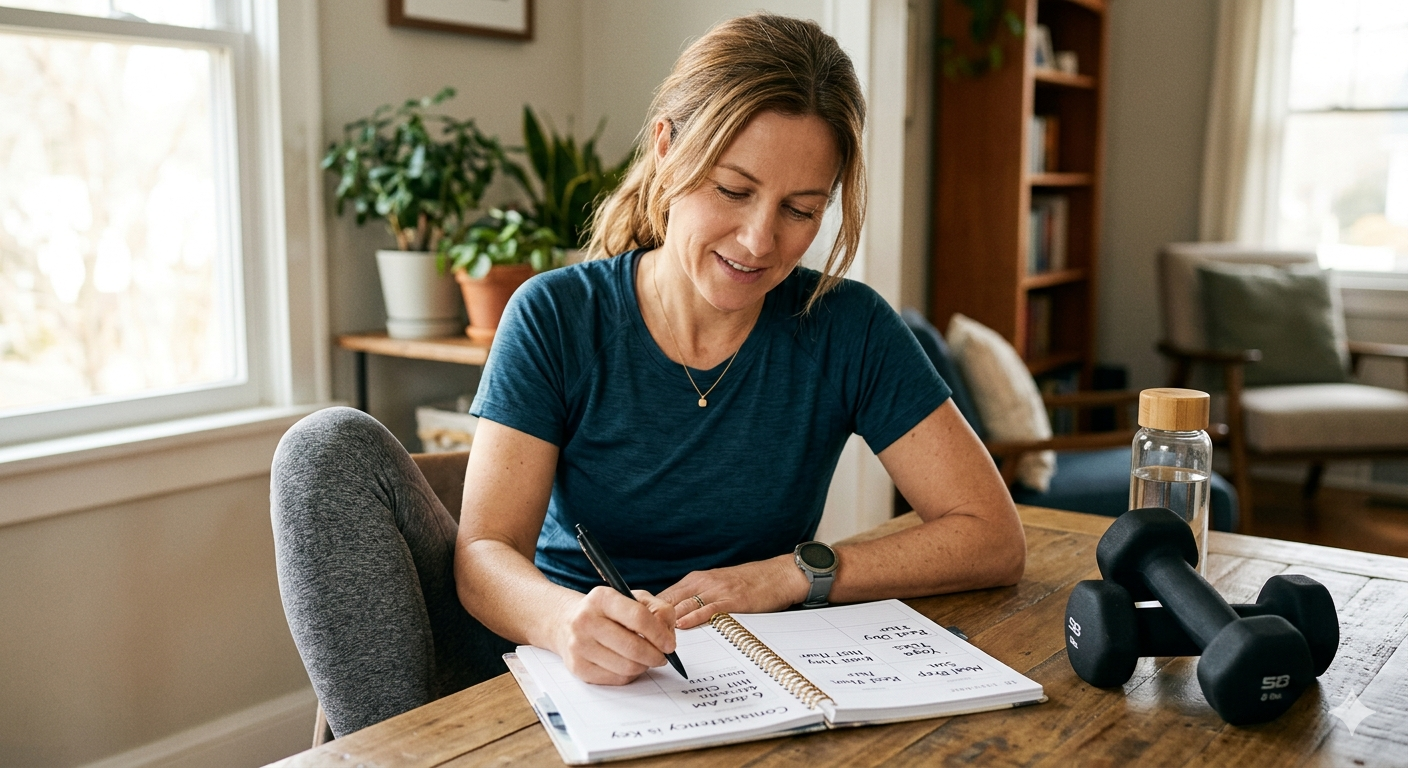
woman planning workout schedule for consistent strength training habit at home

Building a Strength Training Habit That Actually Sticks After 40

Starting a strength training routine is easy. Sticking with it is the real challenge—especially after 40, when life feels busier, energy fluctuates, and recovery takes longer.

If you’ve ever started working out with enthusiasm only to stop a few weeks later, you’re not alone. The problem isn’t discipline or motivation. It’s usually a system that doesn’t fit your lifestyle.

The good news? You can build a strength training habit that actually lasts—without relying on motivation or perfect conditions.

This guide will show you how.


Why Strength Training Matters More After 40

Before we talk about habits, it’s important to understand why this matters now more than ever.

After 40, your body naturally begins to:

  • Lose muscle mass (sarcopenia)
  • Slow down metabolism
  • Reduce bone density
  • Experience hormonal shifts

Strength training helps reverse or slow down all of these.

Key benefits:

  • Maintains lean muscle
  • Boosts metabolism
  • Supports joint and bone health
  • Improves posture and balance
  • Increases energy and confidence

👉 In simple terms: strength training helps you age stronger, not weaker.


Why Most Strength Training Habits Fail

Let’s be honest—most people don’t quit because they don’t care. They quit because:

  • Workouts are too long
  • Plans are too strict
  • Progress feels slow
  • Life gets busy
  • Motivation fades

👉 The real issue is not effort—it’s unsustainable design.


Step 1: Shift Your Mindset (This Changes Everything)

If you rely on motivation, you’ll always struggle.

Instead of thinking:
“I need to feel motivated to work out”

Think:
👉 “This is something I do, like brushing my teeth”

Focus on identity:

  • “I am someone who trains regularly”
  • “I take care of my strength and health”

This shift turns workouts from a decision into a habit.


Step 2: Start Smaller Than You Think

Most people fail because they start too big.

❌ Common mistake:

  • 1-hour workouts
  • 5–6 days per week

✔ Better approach:

  • 10–20 minutes
  • 2–3 days per week

👉 The goal is to build consistency first—not intensity.


Step 3: Use the “Minimum Effective Habit”

You don’t need perfect workouts. You need repeatable ones.

Simple routine:

  • Squats
  • Push-ups
  • Rows
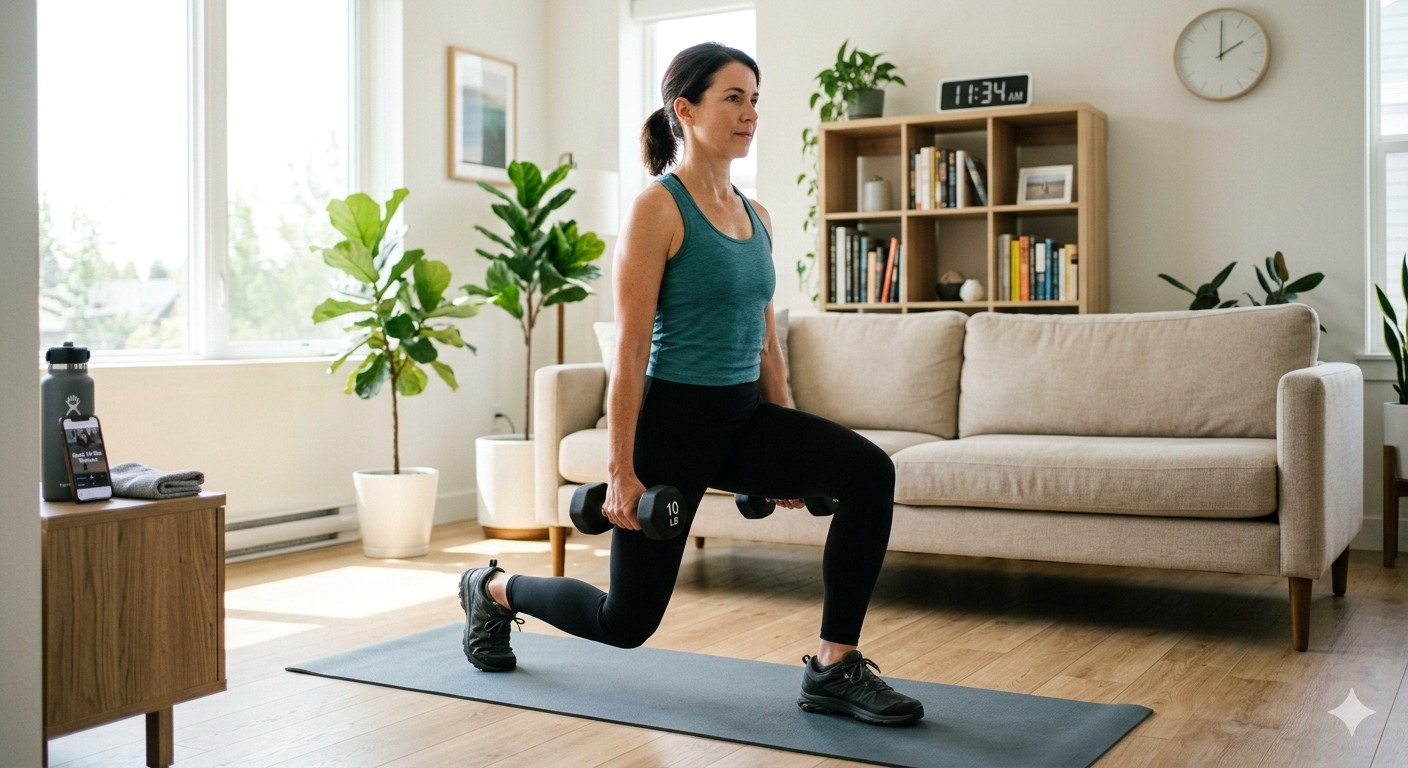
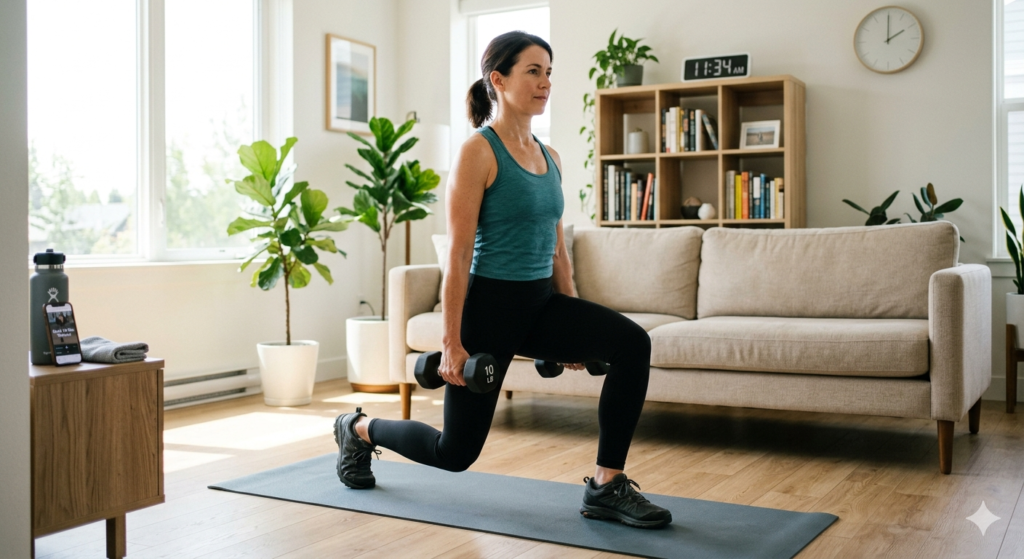
  • Lunges
  • Plank

That’s enough to build strength.

👉 Keep it simple so you can repeat it easily.


Step 4: Attach Workouts to Existing Habits

Habits stick better when connected to something you already do.

Examples:

  • After morning tea → 10-minute workout
  • After work → quick strength session
  • Before shower → bodyweight routine

👉 This removes the need to “decide” every day.


Step 5: Remove Friction (Make It Easy to Show Up)

The harder it is to start, the easier it is to quit.

✔ Reduce barriers:

  • Keep dumbbells visible
  • Wear workout clothes early
  • Set up a small workout space at home

👉 Make starting effortless.


Step 6: Build a Flexible Routine (Not a Perfect One)

Rigid plans break when life gets busy.

Instead of:

“I must work out at 6 PM every day”

Use:
👉 “I’ll work out anytime between 6–8 PM”

Flexibility increases consistency.


Step 7: Always Have a Backup Plan

This is what separates consistency from inconsistency.

On busy days:

Do a 5–10 minute mini workout

Example:

  • 10 squats
  • 10 push-ups
  • 30-second plank

👉 Even small effort keeps the habit alive.


Step 8: Focus on Showing Up, Not Results

Results take time—but habits build quickly.

Track:

  • Number of workouts per week
  • Consistency streaks

Not just:

  • Weight loss
  • Physical changes

👉 Showing up is the real win.


Step 9: Progress Slowly (Avoid Burnout)

After 40, recovery matters more.

✔ Progress safely:

  • Increase weight gradually
  • Add reps slowly
  • Take rest days

👉 Slow progress is sustainable progress.


Step 10: Make It Enjoyable

If you hate your workouts, you won’t stick with them.

✔ Try:

  • Home workouts
  • Music or podcasts
  • Training with a friend

👉 Enjoyment increases consistency.


Step 11: Accept Imperfection

You will:

  • Miss workouts
  • Have low-energy days
  • Break your routine

That’s normal.

The key:

👉 Restart quickly

Consistency is not about being perfect—it’s about not quitting completely.


Step 12: Build a Weekly Structure That Fits Real Life

Example Plan:

Option 1 (Very Busy):

  • 3 × 15-minute workouts

Option 2 (Moderate Schedule):

  • 3 × 30-minute workouts

Option 3 (Flexible):

  • 2 full workouts + 2 short sessions

👉 Choose what fits your life—not what looks ideal online.


Common Mistakes to Avoid

Avoid these if you want long-term success:

  • Starting too aggressively
  • Waiting for motivation
  • Skipping workouts after one missed day
  • Comparing yourself to others
  • Overcomplicating routines

👉 Simplicity = consistency


The Real Secret to a Lasting Habit

It’s not:

  • Discipline
  • Motivation
  • Perfect routines

It’s this:

👉 Make it easy enough to do even on your worst days

Because those days determine whether the habit survives.


What Happens When You Stay Consistent?

After a few weeks:

  • You feel stronger
  • Energy improves
  • Confidence increases

After a few months:

  • Muscle tone improves
  • Fat loss becomes easier
  • Daily tasks feel easier

👉 The results compound over time.


Final Thoughts

Building a strength training habit after 40 is not about pushing harder—it’s about making it sustainable.

You don’t need:

  • Long workouts
  • Perfect schedules
  • High motivation

You need:

  • A simple plan
  • A flexible approach
  • A commitment to keep showing up

Because in the end:

👉 The best workout routine is the one you can stick to for years—not weeks.

Start small. Stay consistent. And let your strength grow with time. 💪
Leave a Reply

Your email address will not be published. Required fields are marked *