Popular Posts

What Equipment Do You Actually Need to Start Strength Training at Home?

Starting strength training at home is one of the smartest and most convenient ways to improve your health—especially if you’re over 40. But one question stops many beginners before they even begin:

“What equipment do I actually need?”

The good news? You don’t need a fully equipped gym or expensive machines. In fact, you can start with very little and still get excellent results.

This guide will walk you through the essential, optional, and unnecessary equipment so you can build an effective home strength training setup without wasting money.


Why Home Strength Training Works

Before diving into equipment, it’s important to understand that results don’t come from fancy tools—they come from consistency and effort.

Home workouts can help you:

  • Build lean muscle
  • Improve strength and mobility
  • Boost metabolism
  • Save time and money

With the right basics, your home can become just as effective as a gym.


The Truth: You Can Start With Zero Equipment

Yes, you read that right.

Bodyweight exercises alone can build strength, especially for beginners.

Examples:

  • Squats
  • Push-ups (wall or knee)
  • Lunges
  • Planks
  • Glute bridges

If you’re just starting out, this is more than enough to begin your fitness journey.


Essential Equipment for Beginners

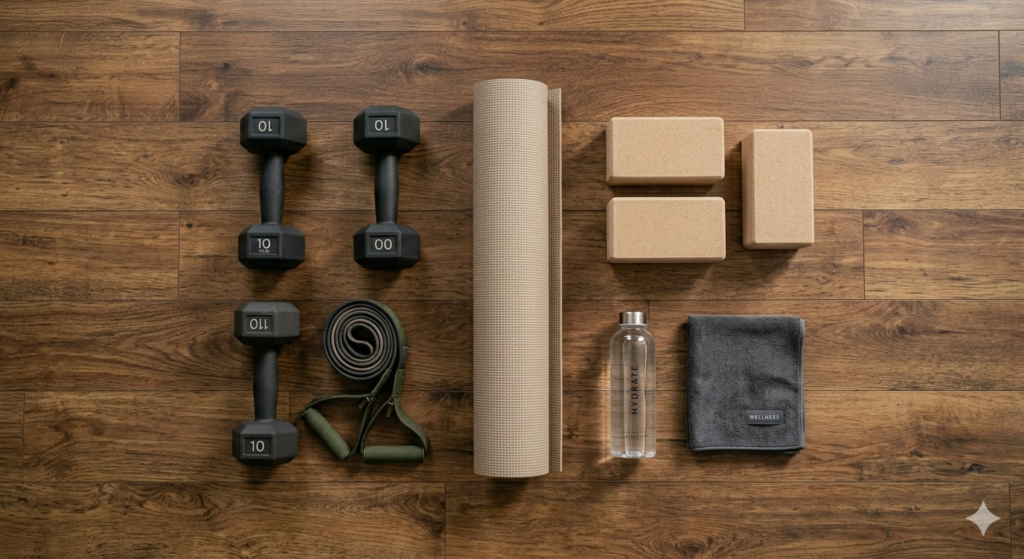
If you’re ready to upgrade from bodyweight exercises, start with these must-have basics:


🏋️ 1. Dumbbells (Most Important)

Dumbbells are the single most versatile piece of equipment you can own.

Why they’re essential:

  • Target all muscle groups
  • Easy to use for beginners
  • Suitable for progressive overload

What to buy:

  • Start with light to moderate weights (e.g., 2–5 kg)
  • Adjustable dumbbells are a great long-term investment

Exercises you can do:

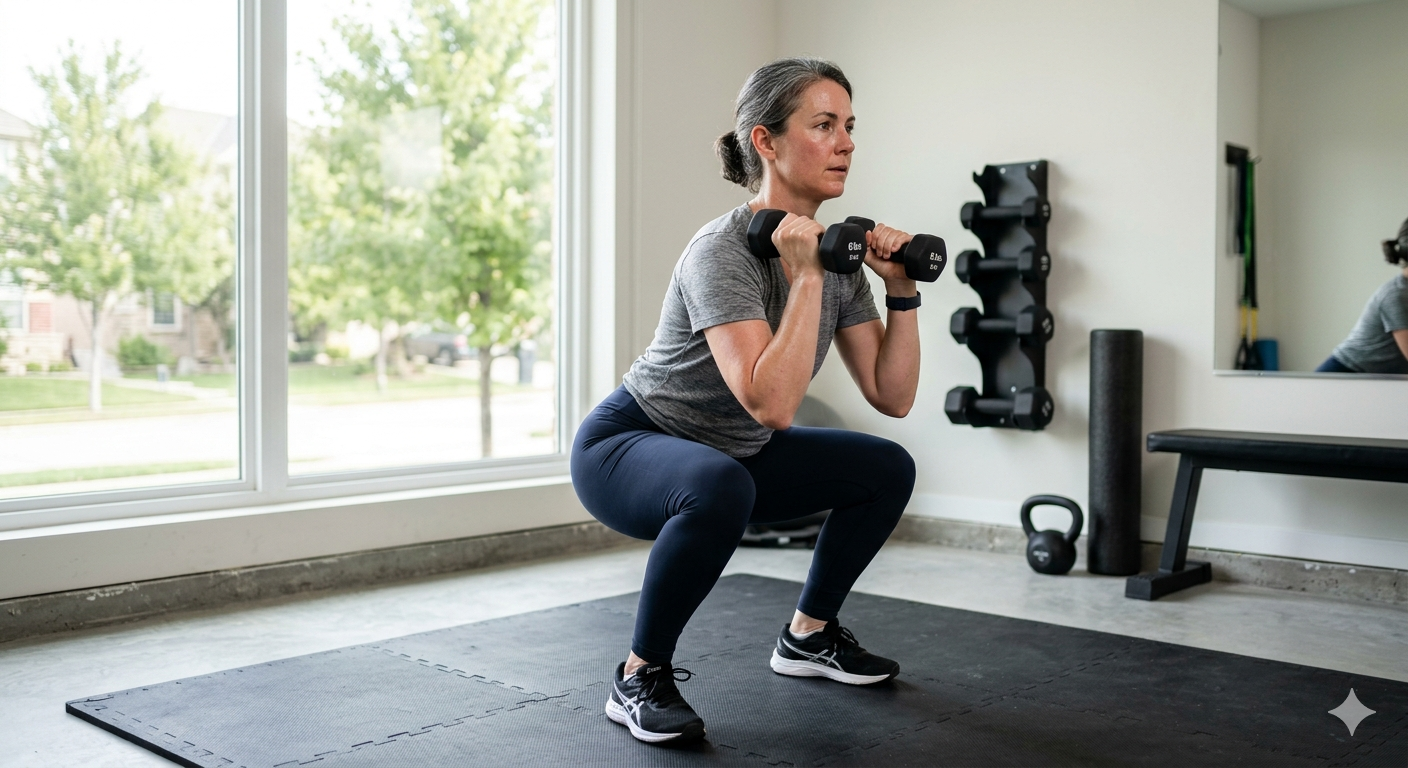
  • Squats
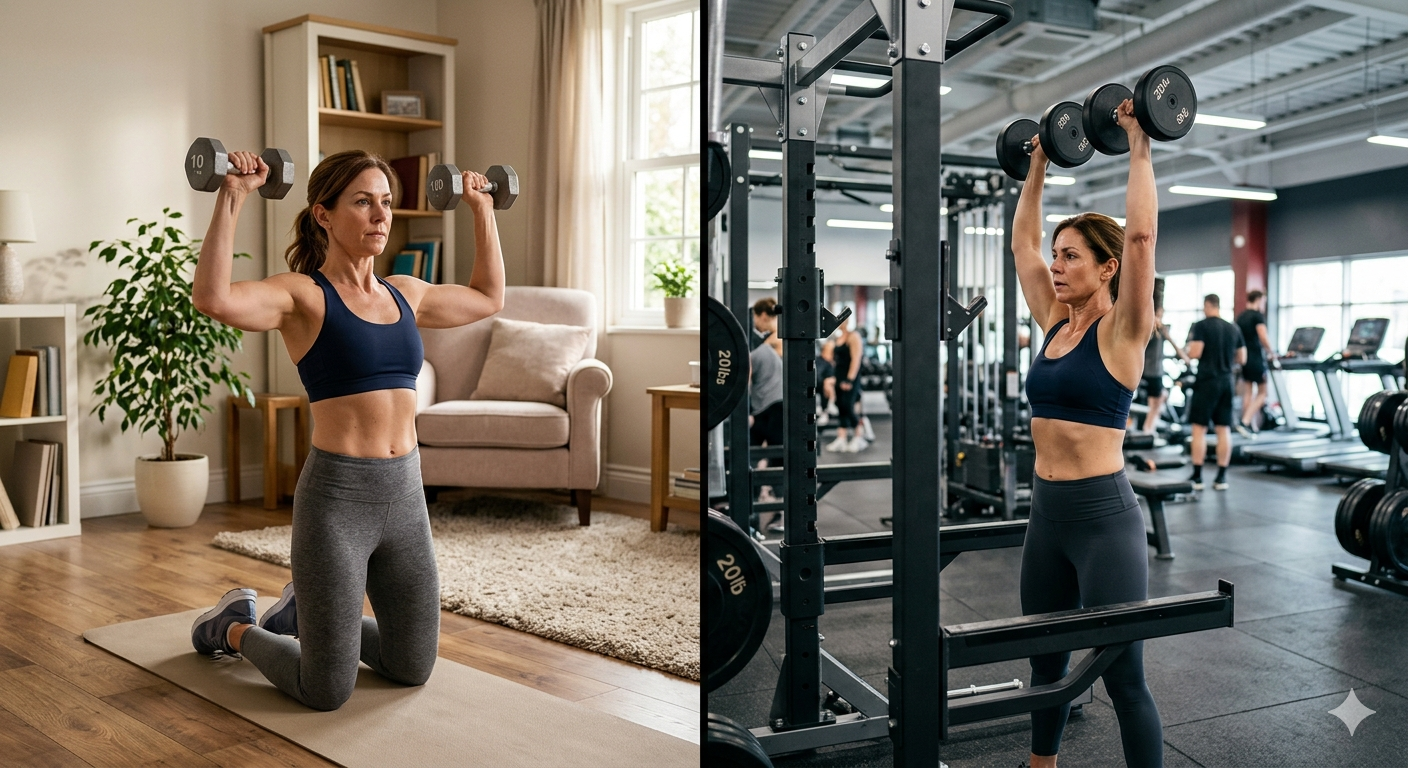
  • Shoulder press
  • Rows
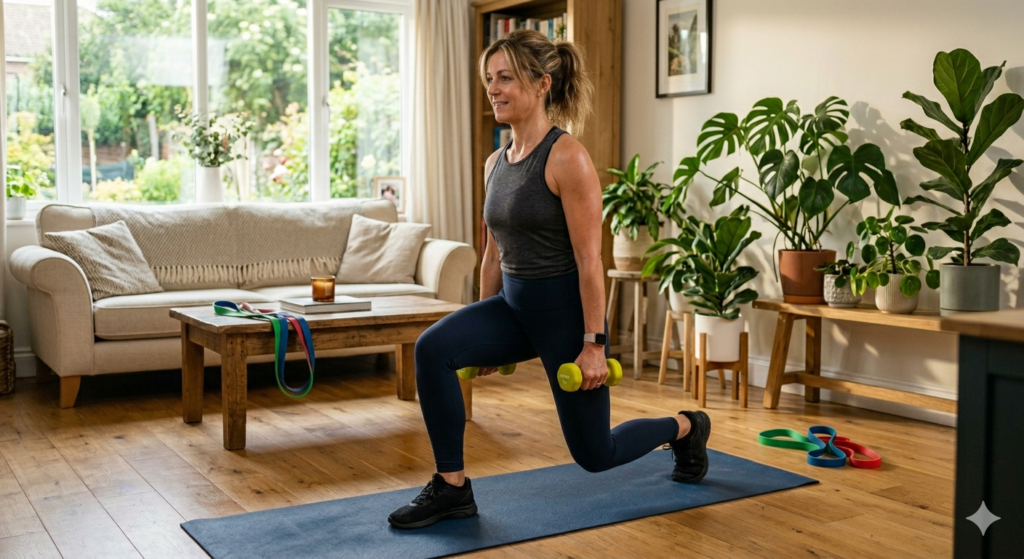
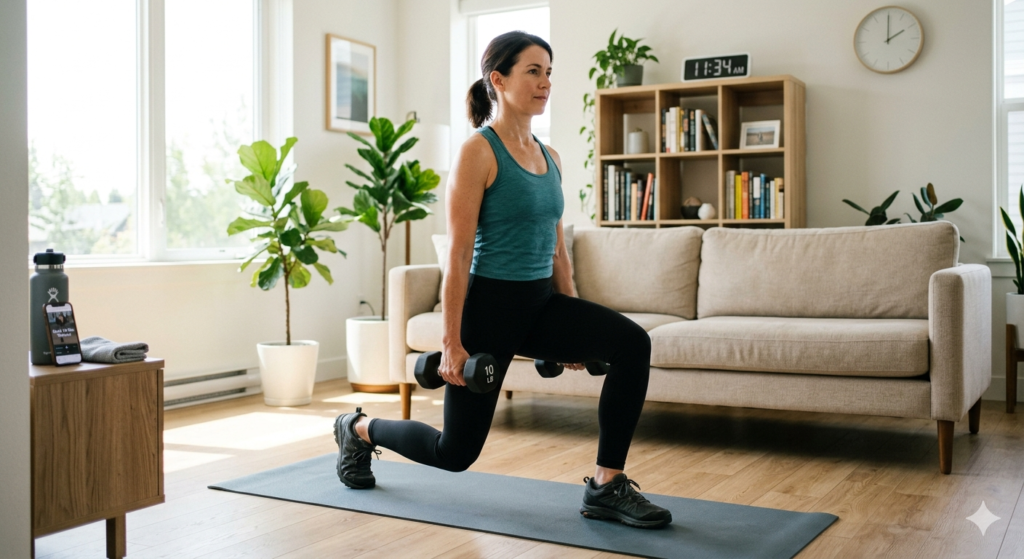
  • Lunges
  • Chest press

🧘 2. Exercise (Yoga) Mat

A good mat provides comfort and stability, especially for floor exercises.

Benefits:

  • Protects joints
  • Prevents slipping
  • Makes workouts more comfortable

Use it for:

  • Core exercises
  • Stretching
  • Mobility work

🔁 3. Resistance Bands

Resistance bands are lightweight, affordable, and extremely effective.

Why they’re useful:

  • Add resistance without heavy weights
  • Great for beginners and joint-friendly workouts
  • Easy to store and travel with

Types:

  • Loop bands
  • Tube bands with handles

Exercises:

  • Glute activation
  • Rows
  • Arm exercises
  • Assisted squats

Optional Equipment (Nice to Have)

Once you’ve built consistency, you can consider adding these:

🪑 1. Workout Bench or Sturdy Chair

You don’t need a professional bench—any stable chair works.

Useful for:

  • Step-ups
  • Seated exercises
  • Incline push-ups

🏋️‍♀️ 2. Kettlebells

Kettlebells are great for dynamic, functional movements.

Benefits:

  • Improve strength and coordination
  • Add variety to workouts

Exercises:

  • Kettlebell swings
  • Goblet squats
  • Deadlifts

🧱 3. Foam Roller

Not for training, but for recovery.

Helps with:

  • Muscle soreness
  • Flexibility
  • Blood circulation

⚖️ 4. Adjustable Dumbbells (Upgrade Option)

If you start with fixed dumbbells, upgrading to adjustable ones can save space and money long-term.


Equipment You DON’T Need (At First)

Many beginners waste money on unnecessary gear.

❌ Expensive Machines

  • Treadmills, cable machines, and multi-gyms are not required for strength training.

❌ Fancy Fitness Gadgets

  • Smart mirrors, advanced trackers, or vibration plates aren’t essential.

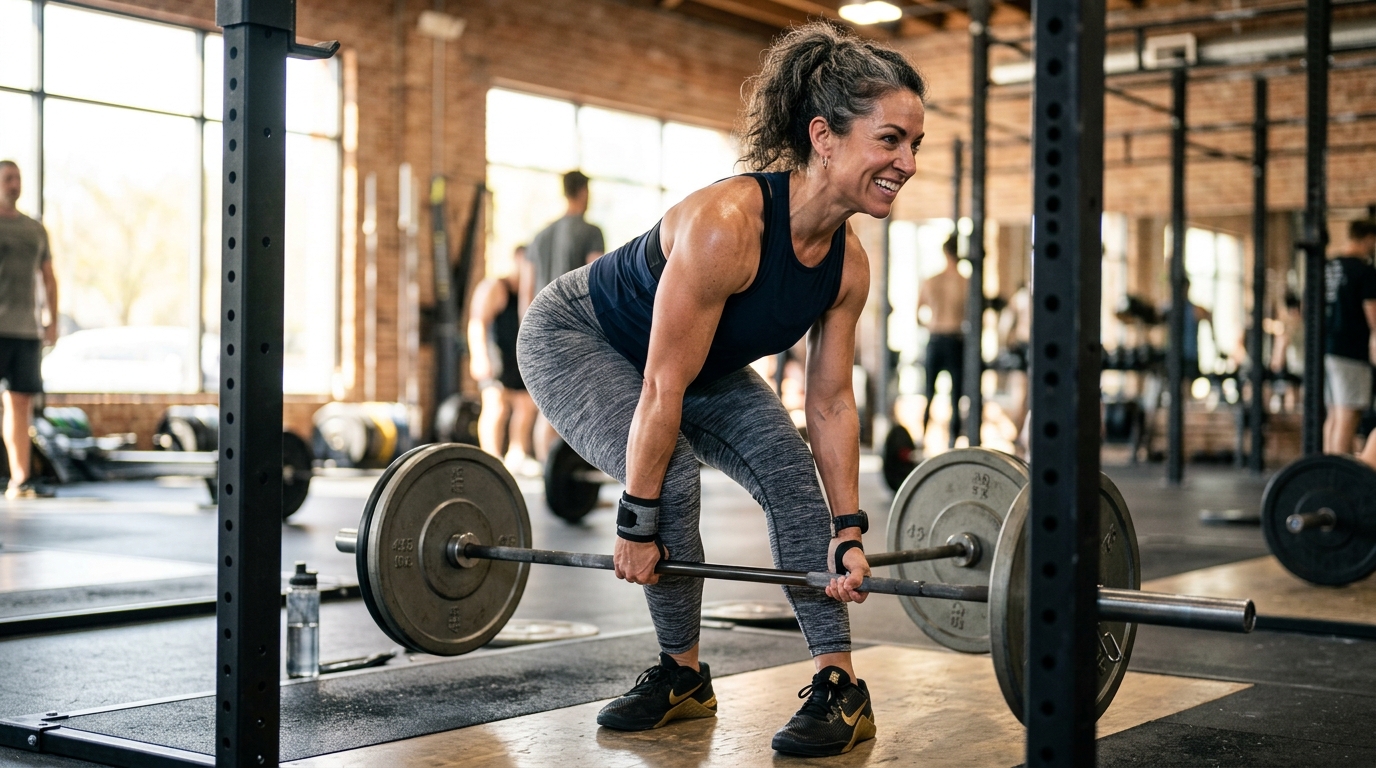
❌ Heavy Barbells (For Beginners)

  • These are better suited for advanced lifters or gym settings.

Start simple—you can always upgrade later.


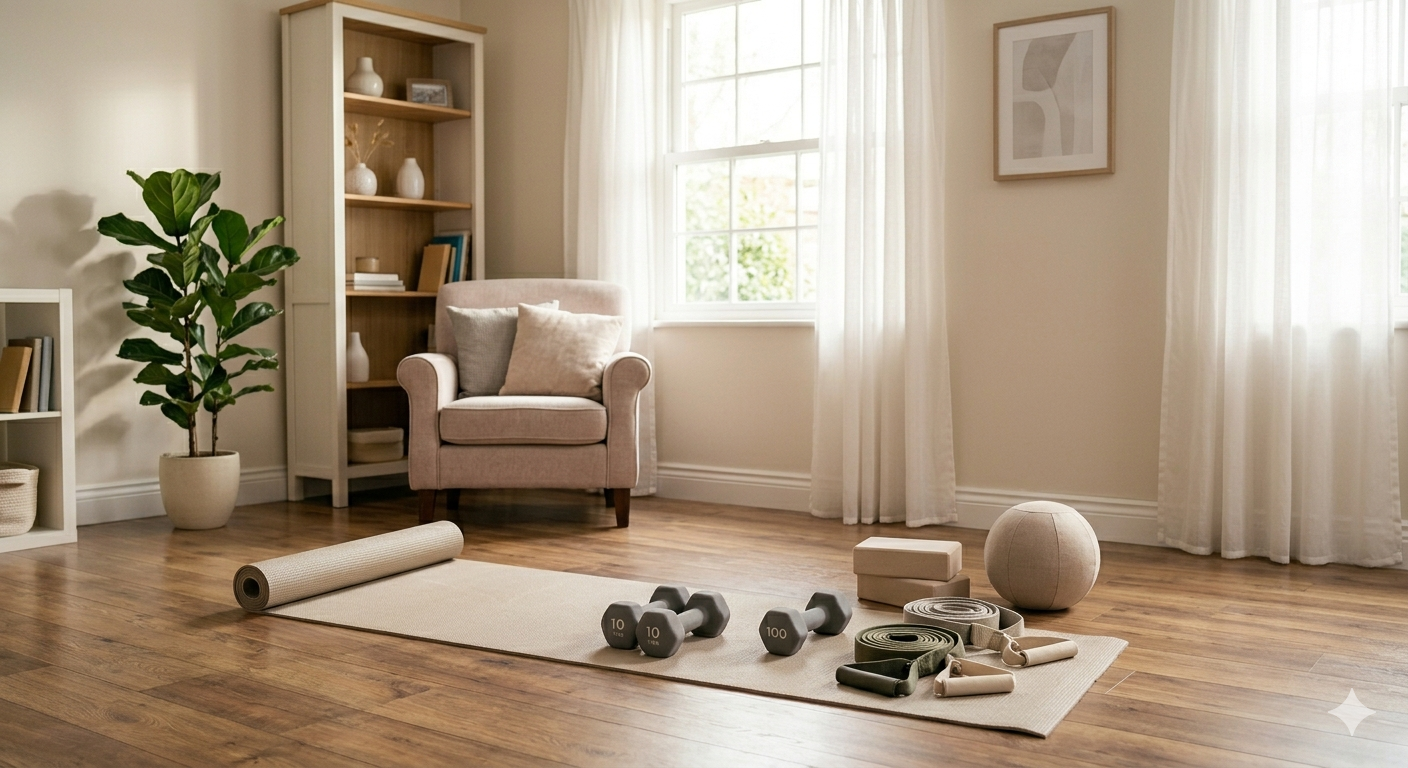
Budget-Friendly Setup (Beginner Kit)

You can create an effective home gym with minimal cost:

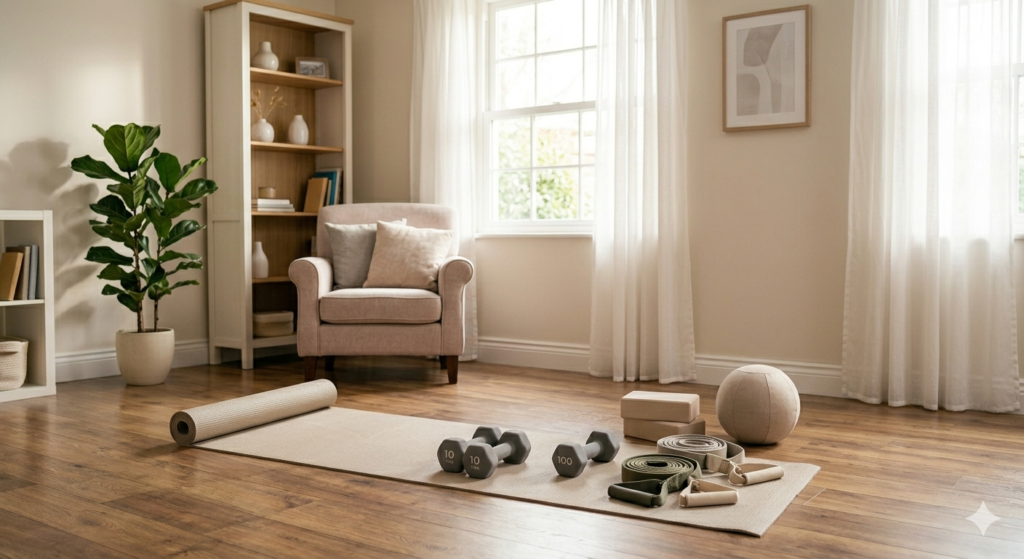
  • Dumbbells (basic set)
  • Resistance bands
  • Exercise mat

That’s it.

This setup is enough for a full-body strength training program.


Space Requirements: Do You Need a Big Area?

Not at all.

A small space (even 6×6 feet) is enough for most exercises.

Tips:

  • Clear a small workout area
  • Keep equipment organized
  • Use vertical storage if needed

How to Choose the Right Equipment

When buying equipment, consider:

✔️ Your Fitness Level

Start light and beginner-friendly.

✔️ Your Goals

  • Muscle building → dumbbells
  • Mobility → bands and mat

✔️ Your Budget

Focus on essentials first.

✔️ Space Availability

Choose compact and multi-purpose tools.

Sample Beginner Workout Using Minimal Equipment

Here’s a simple full-body routine using just dumbbells and a mat:

Workout (2–3 times per week):

  • Squats (with dumbbells) – 2 sets of 10
  • Dumbbell rows – 2 sets of 10
  • Shoulder press – 2 sets of 10
  • Glute bridges (on mat) – 2 sets of 12
  • Plank – 20 seconds

This routine targets all major muscle groups and requires very little equipment.


Tips for Getting the Most Out of Your Equipment

✔️ Focus on Form

Good technique matters more than heavy weights.

✔️ Stay Consistent

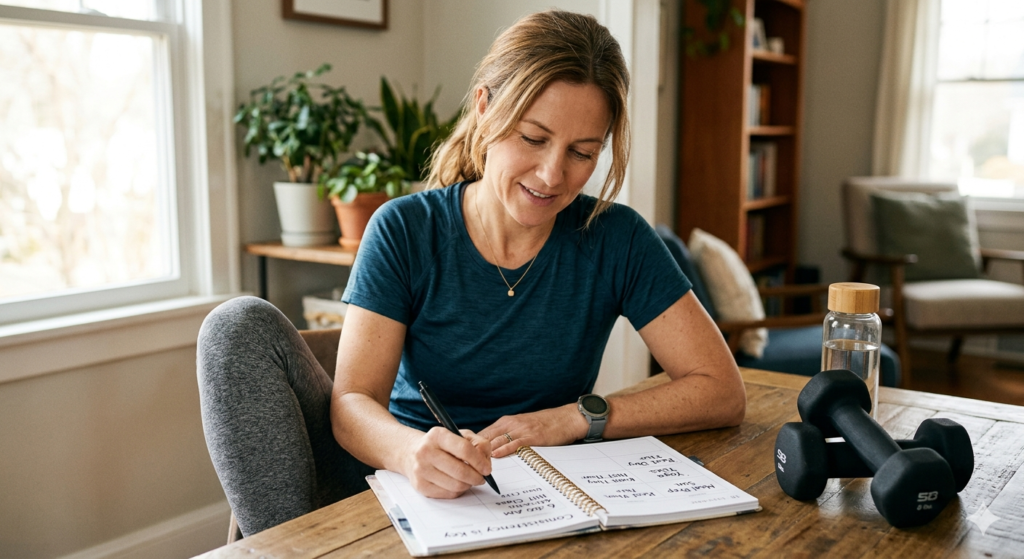
Even the best equipment won’t help if you don’t use it regularly.

✔️ Progress Gradually

Increase resistance or reps over time.

✔️ Keep It Simple

Avoid overcomplicating your routine.


Common Beginner Mistakes

❌ Buying Too Much Equipment Too Soon

Start small and expand as needed.

❌ Ignoring Bodyweight Training

You don’t always need equipment to get stronger.

❌ Choosing Weights That Are Too Heavy

This can lead to poor form and injuries.

❌ Not Using Equipment Properly

Learn correct techniques before increasing intensity.

Benefits of Building a Home Gym

  • Saves time (no commute)
  • Flexible schedule
  • Comfortable environment
  • Long-term cost savings

For many women over 40, this convenience leads to better consistency—and better results.


Final Thoughts

So, what equipment do you actually need to start strength training at home?

Very little.

You can begin with:

  • Your bodyweight
  • A pair of dumbbells
  • A resistance band
  • A simple mat

That’s enough to build strength, improve your health, and feel more confident in your body.

Don’t wait for the “perfect setup.” Start with what you have, stay consistent, and upgrade as you grow.


FAQs

Do I need expensive equipment to get results?

No. Basic tools are more than enough for beginners.

Are resistance bands effective?

Yes, especially for beginners and low-impact strength training.

How much should I spend on equipment?

Start with a small budget and invest more only when needed.
Leave a Reply

Your email address will not be published. Required fields are marked *