 11
11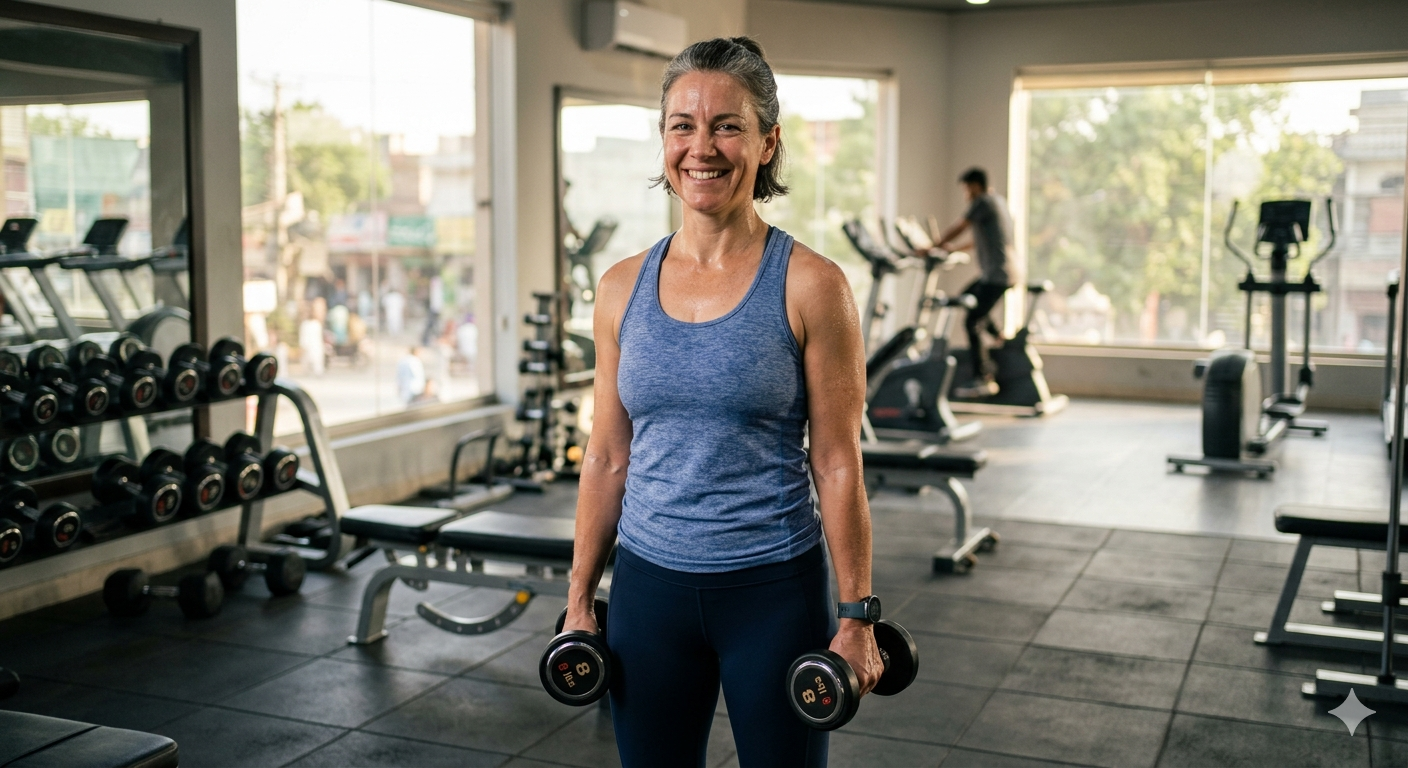
Starting strength training at 40 might feel intimidating—especially if you’ve never lifted weights before. You might wonder: Is it too late? Will I get injured? Where do I even begin?
Here’s the truth: it’s never too late to start strength training, and your body is more capable than you think. In fact, beginning at 40 can be one of the best decisions you make for your health, confidence, and long-term quality of life.
This complete beginner’s guide will walk you through everything you need to know—from mindset to workouts—so you can start safely and successfully.
As you age, your body naturally undergoes changes that make strength training essential:
After age 30, you gradually lose muscle mass. By 40, this process speeds up, leading to weakness and slower metabolism.
Less muscle means fewer calories burned at rest, making weight gain more likely.
Women, especially, are at higher risk of osteoporosis. Strength training helps keep bones strong.
Shifts in hormones can lead to fatigue, weight gain, and reduced muscle tone.
Strength training directly counters all of these issues, helping you stay strong, lean, and energetic.
Yes—absolutely.
With the right approach, strength training is not only safe but highly beneficial. The key is to:
If you have existing medical conditions, it’s wise to consult a doctor before starting.
Before picking up weights, it’s important to adjust how you think about fitness.
Your goal isn’t perfection—it’s steady improvement.
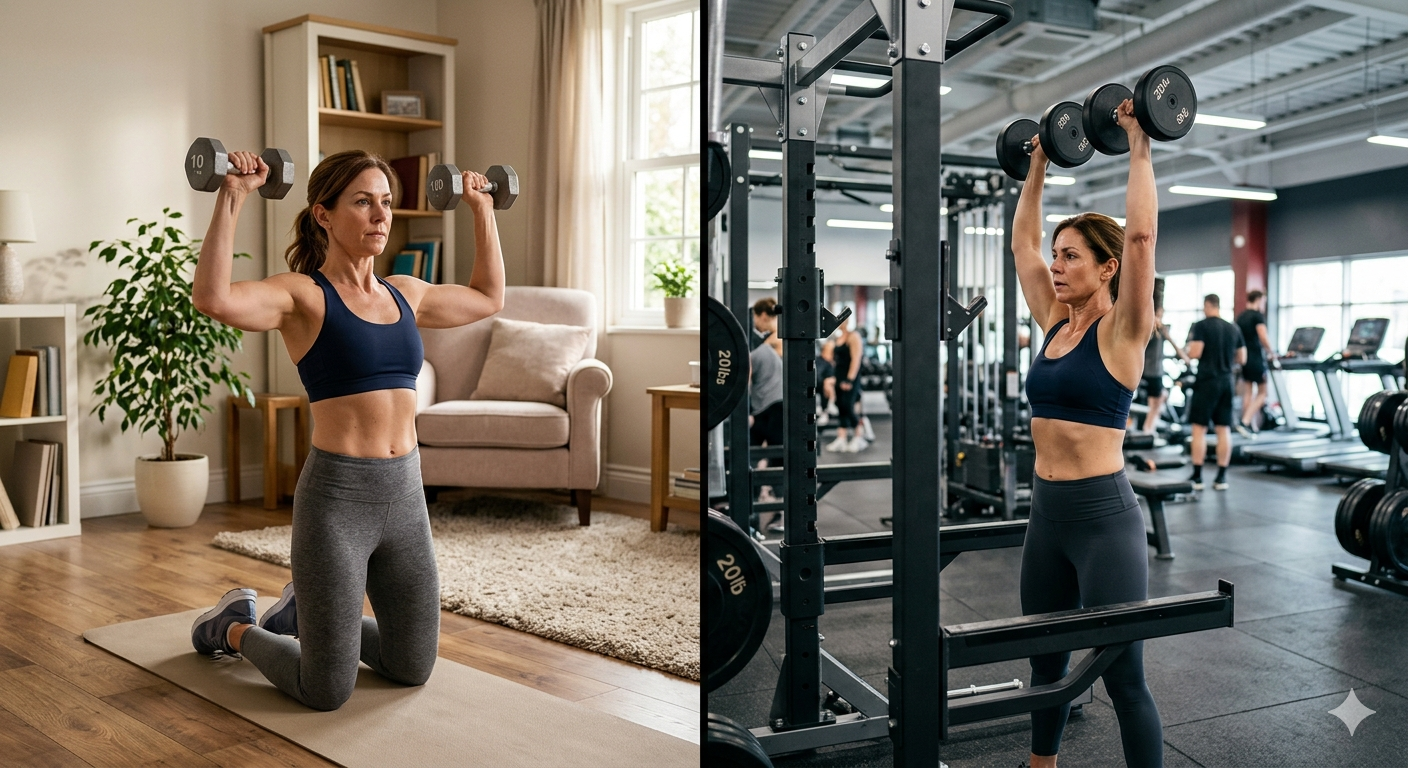
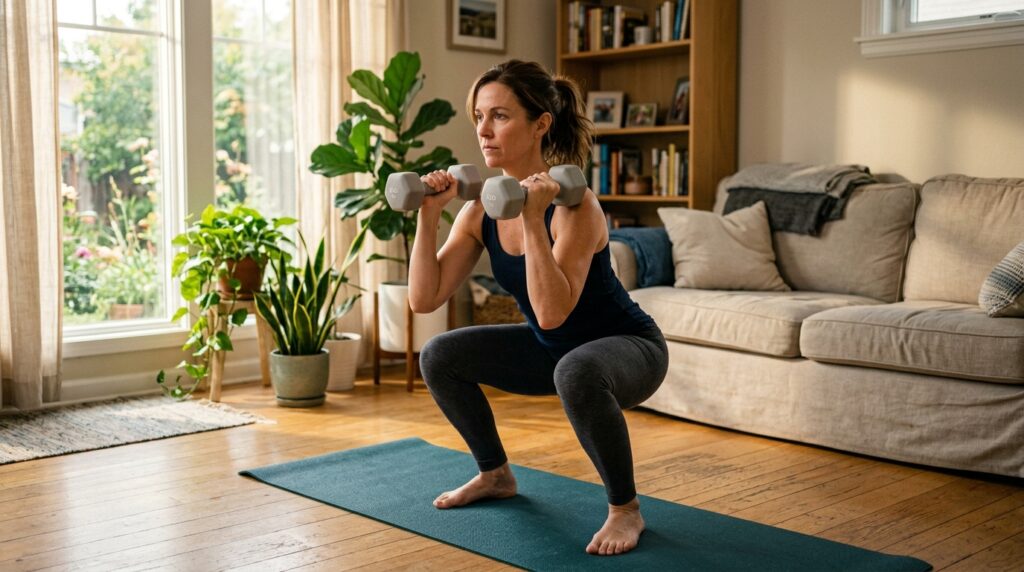
You don’t need a gym membership to begin. There are three main options:
Choose what feels easiest to stick with.
You don’t need fancy gear. Start simple:
Even bodyweight exercises can be enough in the beginning.
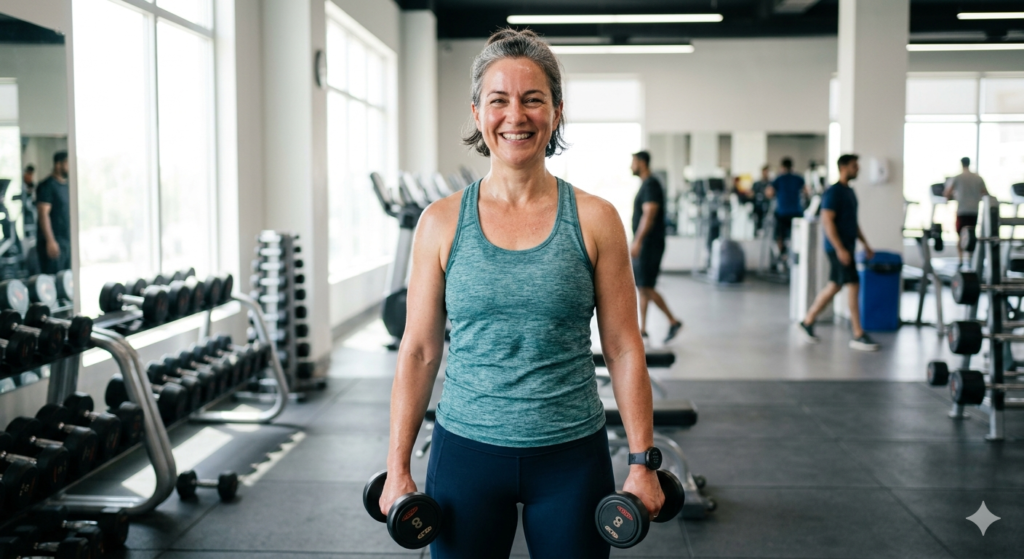
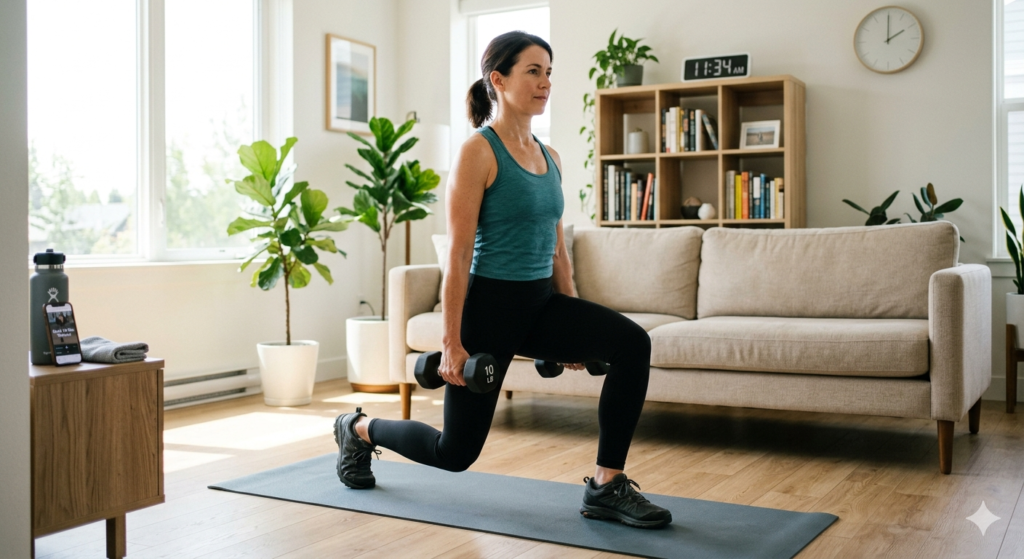
Focus on simple, effective exercises that target the whole body.
These movements build strength and improve everyday function.
Start with 2–3 days per week of full-body training.
Day 1
Day 2: Rest or Light Activity
Day 3
Day 4: Rest
Day 5: Repeat Day 1 or 3
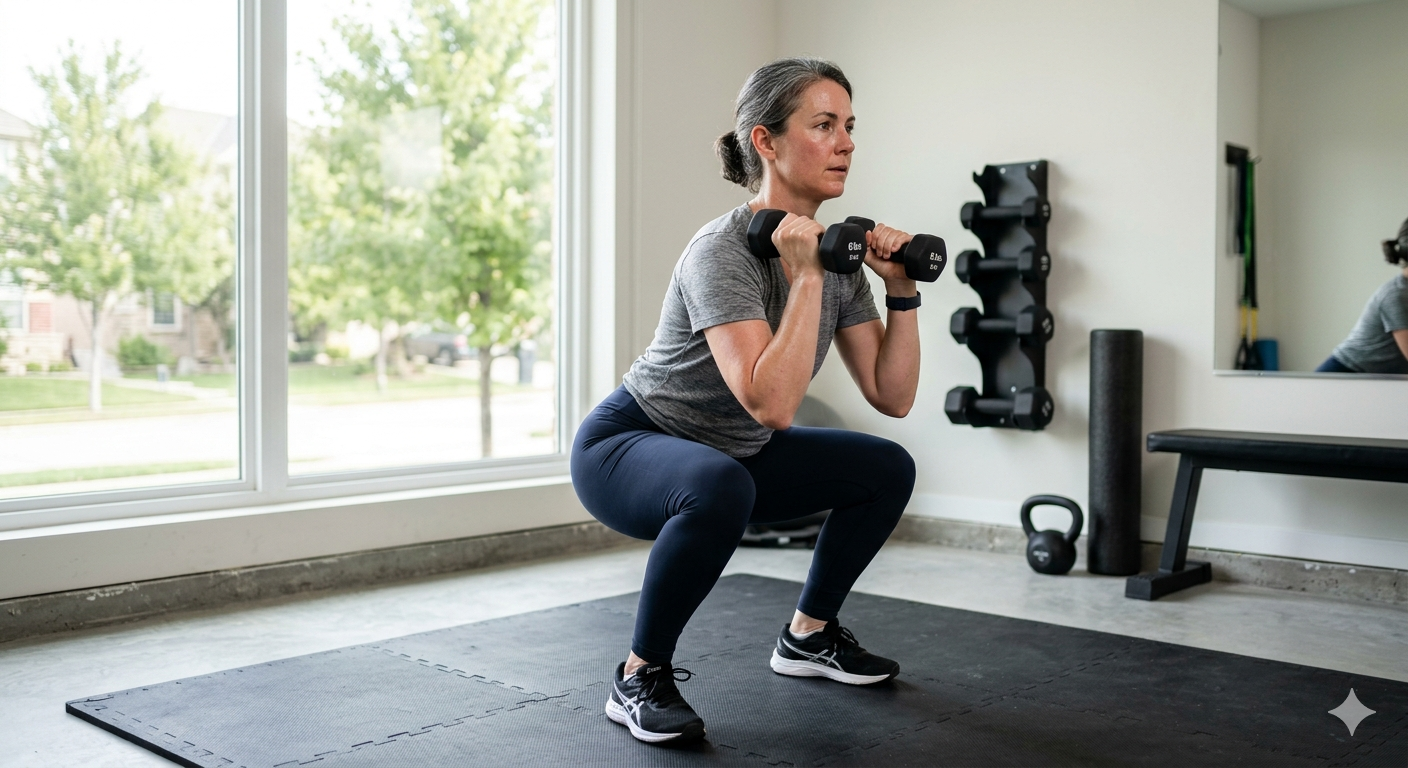
Form is everything—especially when you’re new.
If possible, watch tutorials or work with a trainer initially.
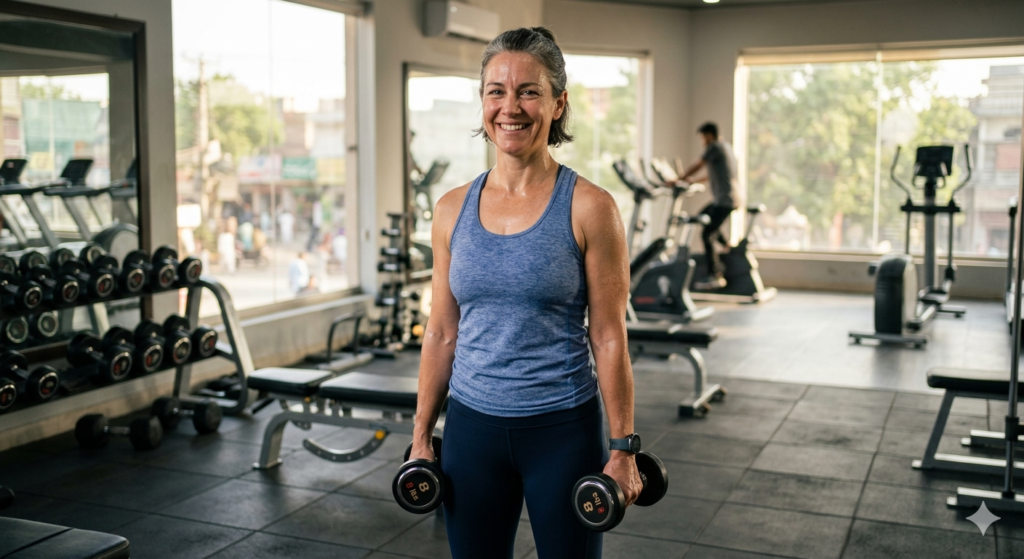
Don’t rush into heavy weights.
A good starting point:
This is called progressive overload, and it’s key to getting stronger.
Recovery is just as important as training.
Aim for 7–8 hours per night.
Helps reduce stiffness and improve flexibility.
Give your muscles time to repair and grow.
Protein helps repair and build muscle:
Water supports muscle function and recovery.
Your body needs fuel to get stronger.
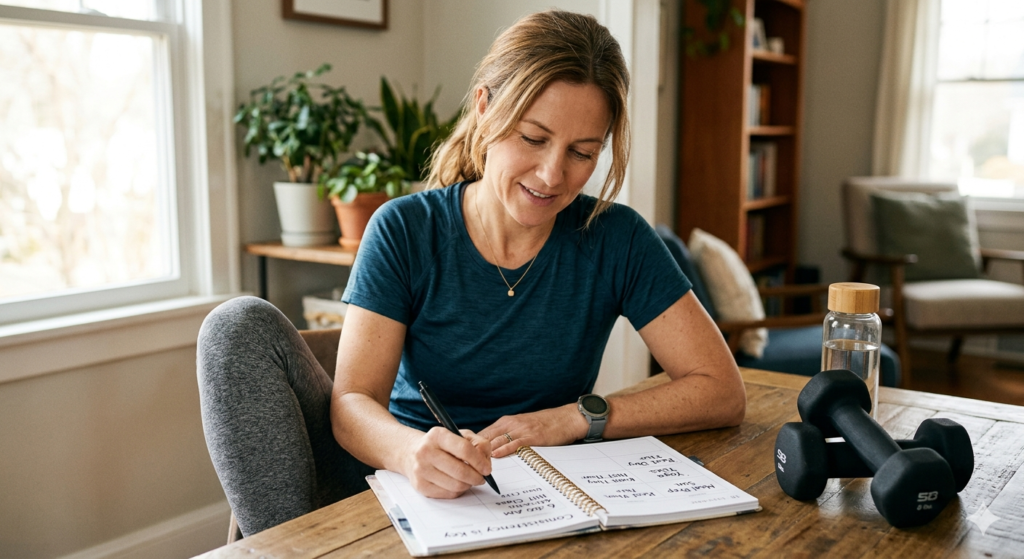
Tracking keeps you motivated and consistent.
You can track:
Even small improvements mean you’re progressing.
Start slow to avoid burnout or injury.
Cardio is helpful, but strength training should be your priority.
Poor technique can lead to injuries.
Results come from regular effort, not occasional workouts.
With consistency, most beginners notice:
Visible physical changes may take 4–8 weeks, depending on your routine and diet.
Once you begin strength training, you may experience:
These benefits go far beyond physical appearance—they improve your overall quality of life.
Motivation may come and go—but habits will keep you going.
Starting strength training at 40 with zero experience might feel overwhelming, but it doesn’t have to be.
You don’t need to be perfect. You just need to begin.
With a simple plan, proper form, and consistent effort, you can build strength, improve your health, and feel better than ever. Your body is still capable of incredible change—no matter your age.
The most important step is the first one.
Yes, your body can still build muscle effectively with proper training and nutrition.
Start with 2–3 days per week and increase gradually.
No, you can start at home with basic equipment or bodyweight exercises.