 11
11
When women cross 40, fitness goals often shift. It becomes less about extreme transformation and more about strength, energy, fat loss, bone health, and long-term mobility. At this stage, one of the most common questions is:
Should I do full body workouts or split workouts?
Both training styles can work—but the better choice depends on recovery, lifestyle, hormones, and long-term consistency. Understanding the difference helps you avoid wasted effort and train smarter, not harder.
This guide breaks down full body vs split workouts for women over 40, and helps you decide which approach delivers better results for your body and lifestyle.
After 40, the body changes in several important ways:
Because of these changes, workout structure becomes more important than intensity alone.
The right plan should:
That’s where the debate between full body and split workouts becomes important.
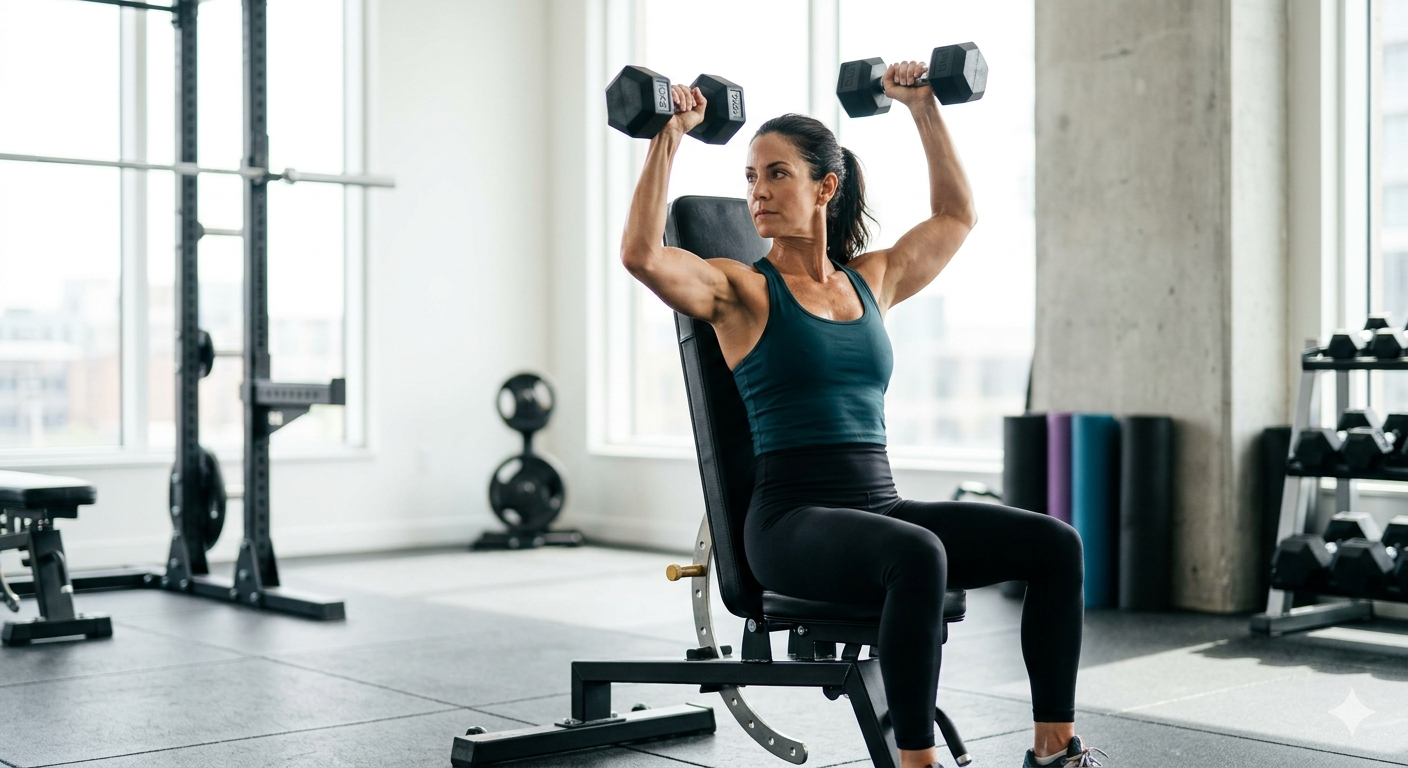
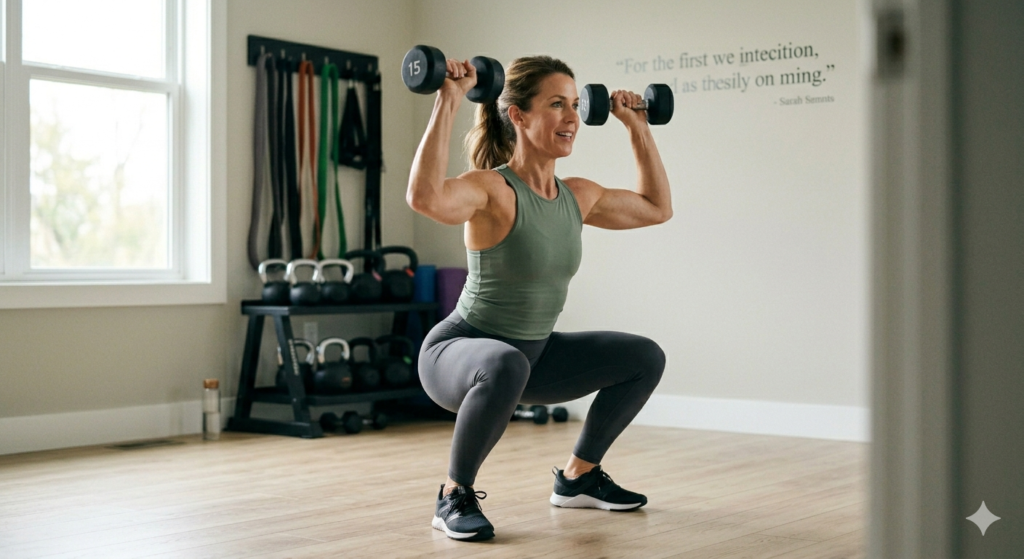
A full body workout trains multiple muscle groups in a single session. Instead of isolating one area, you work your entire body 2–3 times per week.
Each session gives a complete stimulus to the entire body.
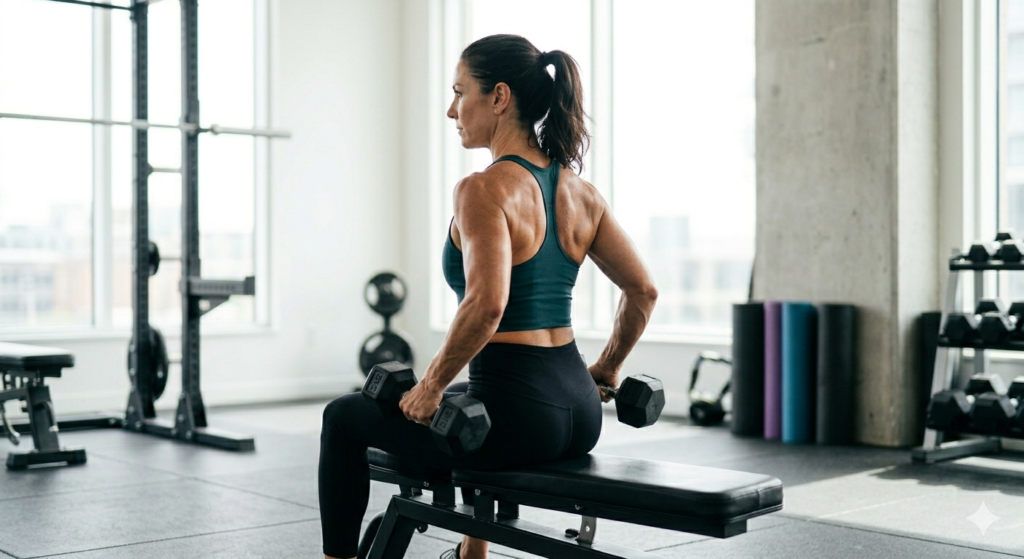
A split workout divides the body into different training days. Each day focuses on specific muscle groups.
Or a more advanced split:
Each muscle group gets more focused attention per workout.
1. Better recovery
Full body workouts allow rest days between sessions, which is important for hormone balance and joint health.
2. More calorie burn per session
Because multiple muscles are involved, energy expenditure is higher.
3. Higher frequency per muscle
Each muscle is trained 2–3 times per week, improving strength retention.
4. Time-efficient
Perfect for busy schedules (30–60 minutes per session).
5. Great for beginners or returning lifters
Easier to learn and maintain consistency.
1. More focused training
You can target specific muscles in detail (glutes, back, arms, etc.).
2. Higher volume per muscle
Useful for shaping and strengthening specific areas.
3. Shorter individual sessions
Each workout is more targeted and less repetitive.
4. Advanced progression
Better for women already experienced with weight training.
For women over 40, recovery is not optional—it is the foundation of progress.
Even the best workout plan fails if:
Split workouts often demand more recovery management, while full body workouts naturally build recovery into the structure.
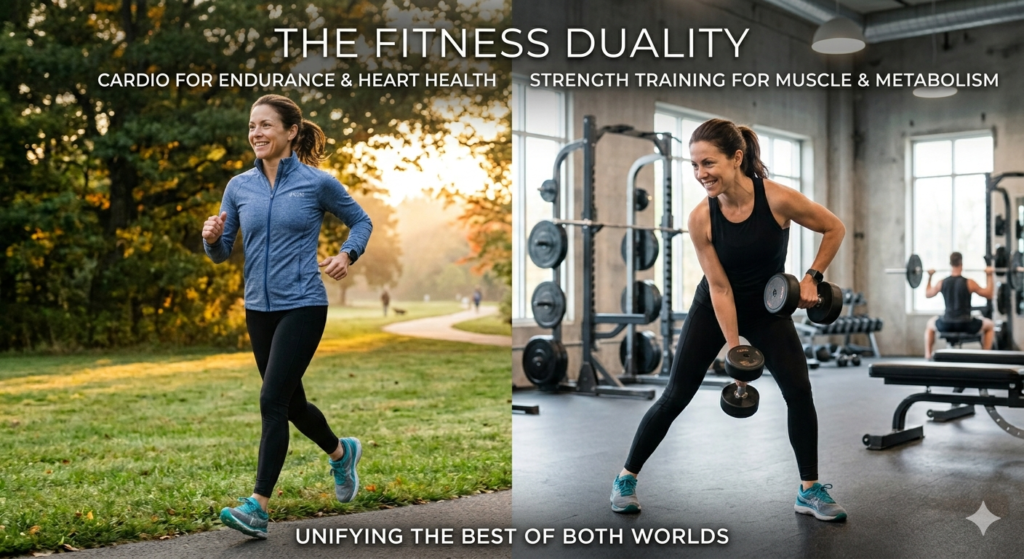
Both can support fat loss—but in different ways.
👉 For most women over 40, full body workouts are slightly more efficient for fat loss due to consistency and recovery advantages.
👉 If your goal is general strength and health → full body wins
👉 If your goal is shaping specific areas → split training has an edge
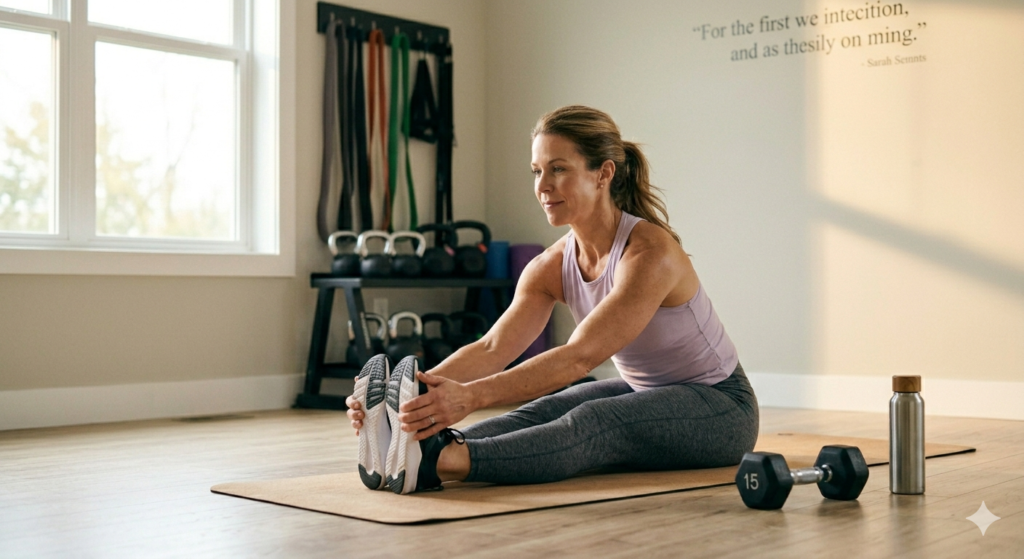
After 40, cortisol (stress hormone) and estrogen levels can affect how the body responds to training.
👉 This is why many women feel better on full body programs during midlife transitions.
✔ Full body workouts
✔ 2–3 days per week
✔ Focus on form and consistency
✔ Split workouts OR hybrid plan
✔ 3–5 days per week
✔ Higher volume and progression focus
For most women over 40, the smartest option is not choosing one—it’s combining both.
This approach gives:
Monday: Full body strength
Tuesday: Rest / walking
Wednesday: Lower body (glutes focus)
Thursday: Rest / mobility
Friday: Upper body + core
Weekend: Light activity (walking, yoga)
This structure balances fat loss, strength, and recovery perfectly.
Many women struggle not because of the workout type—but because of execution:
Consistency matters more than perfection.
So, what works better for women over 40?
For most women over 40, full body or hybrid training is the most effective, sustainable, and hormone-friendly approach.
Fitness after 40 is not about pushing harder—it’s about training smarter.
Whether you choose full body workouts or split routines, the real key is:
The best workout plan is not the most intense one—it’s the one you can follow for years without burnout.
If you train smart, your 40s and beyond can become your strongest, healthiest, and most confident decade.